
Japan Travel Safety Guide
What are the emergency numbers in Japan?
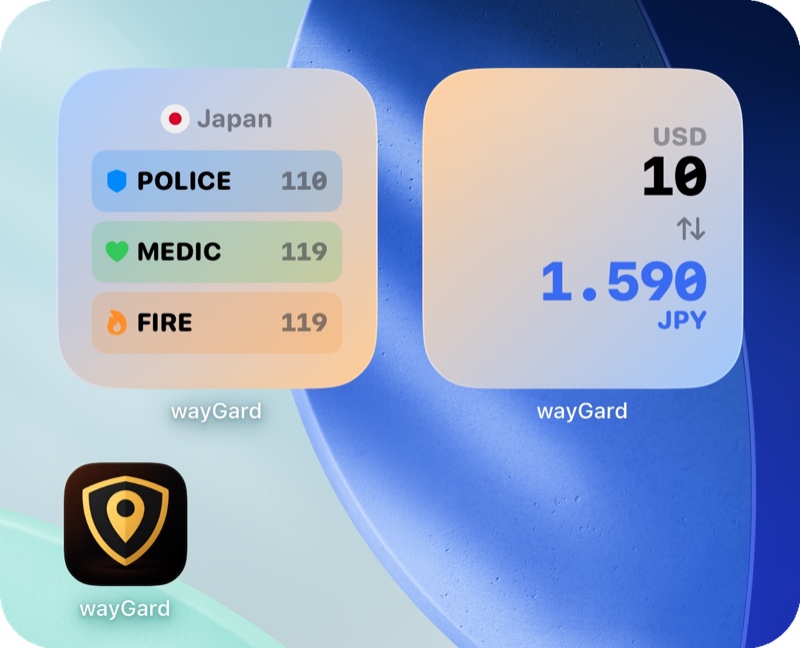
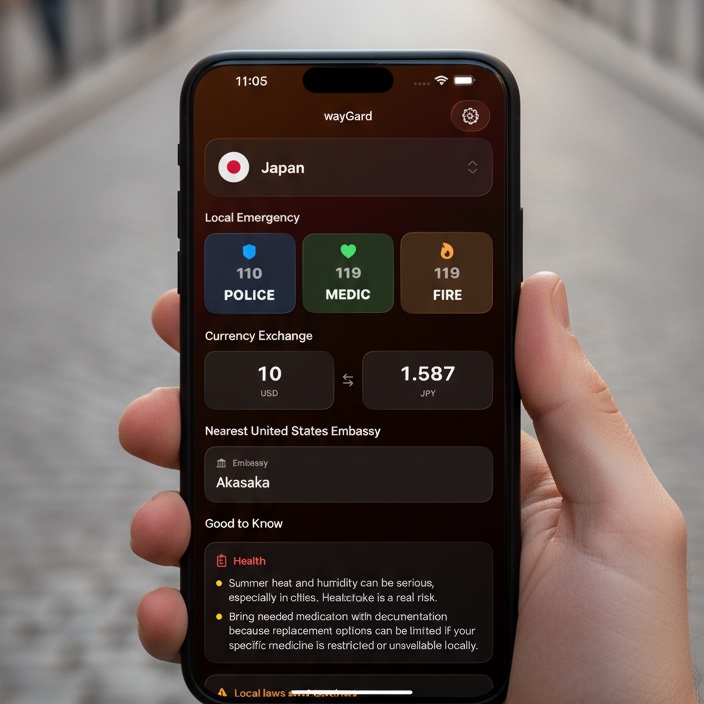
Japan emergency numbers: 110 (Police), 119 (Ambulance), 119 (Fire Department).

Is Japan safe for travelers?
Japan is generally very safe, but drink spiking, nightlife scams, and card skimming do happen, especially in entertainment districts.
Tap water is generally safe to drink.
Food hygiene is usually high, but use normal caution with raw food if you are sensitive.
What health risks should travelers know about in Japan?
Summer heat and humidity can be serious, especially in cities. Heatstroke is a real risk.
Bring needed medication with documentation because replacement options can be limited if your specific medicine is restricted or unavailable locally.
What laws should tourists know about in Japan?
Tourists are required to carry their passport. Not carrying it can get you into real trouble with police checks.
Japan has strict drug laws, and even illegal substances found in your bloodstream can lead to charges.
Some medicines that are common or prescription-legal elsewhere can be restricted or banned, and some controlled medicines need advance permission before entry.
Smoking rules can be stricter than visitors expect because many cities ban smoking on some streets and allow it only in designated areas.
How is transportation in Japan?
Trains are the normal and safest default for city-to-city and urban travel. For taxis, GO is a mainstream app option and many taxis also take cards or IC cards.
Road behavior is usually orderly, and pedestrian crossings are more respected than in much of Southeast Asia.
Late-night nightlife areas can involve bar touts and ride confusion. Avoid following street touts into bars or clubs.
What should travelers know about money in Japan?
Currency is Japanese yen (JPY). Cards are widely accepted in cities, hotels, chain stores, and many taxis, but smaller eateries, rural spots, and some temples or local businesses can still be cash-first.
Card fraud and bar overcharging do happen in nightlife districts. If you get skimmed, your card company may ask for a police report.
Tipping is generally not expected and can feel awkward rather than helpful.
What practical info do travelers need for Japan?
Plug types are A and B. Voltage is 100V, which is lower than many countries.
Google Maps works well for most visitors. Local transport cards such as Suica or Pasmo make urban travel easier.
Tokyo, Osaka, Kyoto, Hokkaido, and Okinawa feel very different. Do not assume the same pace, cash habits, or transport rhythm nationwide.
City Specific Info
Tokyo
Kabukicho and similar nightlife zones have the highest concentration of bar scams, drink spiking, and overcharging complaints. Do not follow touts.
Kyoto
Crowding is a bigger issue than crime in major tourist areas. Move valuables to front pockets on packed buses and around famous temples.
Which embassies are in Japan?
Mostly in Tokyo, Minato, Osaka.
 Afghanistan
 Albania
 Algeria
 Angola
 Argentina
 Armenia
 Australia
 Austria
 Azerbaijan
 Bahrain
 Bangladesh
 Belarus
 Belgium
 Belize
 Benin
Benin
 Bolivia
 Bosnia and Herzegovina
 Botswana
 Brazil
 Brunei
 Bulgaria
 Burkina Faso
 Cambodia
 Cameroon
 Canada
 Chile
Chile
 China
China
 Colombia
 Congo, Democratic Republic of the
 Costa Rica
 Côte d’Ivoire
 Croatia
 Cuba
Cuba
 Cyprus
 Czechia
 Denmark
 Djibouti
 Dominican Republic
 Ecuador
 Egypt
Egypt
 El Salvador
 Eritrea
 Estonia
 Ethiopia
 Fiji
Fiji
 Finland
 France
 Gabon
Gabon
 Georgia
 Germany
 Ghana
Ghana
 Greece
 Guatemala
 Guinea
 Haiti
Haiti
 Holy See (Vatican City)
 Honduras
 Hungary
 Iceland
 India
India
 Indonesia
 Iran
Iran
 Iraq
Iraq
 Ireland
 Israel
 Italy
Italy
 Jamaica
Japan
Jamaica
Japan
 Jordan
 Kazakhstan
 Kenya
Kenya
 Kuwait
 Kyrgyzstan
 Laos
Laos
 Latvia
 Lebanon
 Lesotho
 Liberia
 Libya
Libya
 Lithuania
 Luxembourg
 Madagascar
 Malawi
 Malaysia
 Maldives
 Mali
Mali
 Malta
Malta
 Marshall Islands
 Mauritania
 Mexico
 Micronesia
 Moldova, Republic of
 Mongolia
 Morocco
 Mozambique
 Myanmar
 Namibia
 Nepal
Nepal
 Netherlands
 New Zealand
 Nicaragua
 Niger
Niger
 Nigeria
 North Korea
 North Macedonia
 Norway
 Oman
Oman
 Pakistan
 Palau
Palau
 Palestine
 Panama
 Papua New Guinea
 Paraguay
 Peru
Peru
 Philippines
 Poland
 Portugal
 Qatar
Qatar
 Romania
 Russia
 Rwanda
 Samoa
Samoa
 San Marino
 Saudi Arabia
 Senegal
 Serbia
 Singapore
 Slovakia
 Slovenia
 Solomon Islands
 South Africa
 South Korea
 Spain
Spain
 Sri Lanka
 Sudan
Sudan
 Sweden
 Switzerland
 Syrian Arab Republic
 Taiwan
 Tajikistan
 Tanzania
 Thailand
 Timor-Leste
 Togo
Togo
 Tonga
Tonga
 Tunisia
 Turkey
 Turkmenistan
 Ukraine
 United Arab Emirates
 United Kingdom
 United States
 Uruguay
 Uzbekistan
 Venezuela
 Vietnam
 Yemen
Yemen
 Zambia
 Zimbabwe
Traveling Nearby?
Related Articles
Frequently Asked Questions
What is the emergency number in Japan?
In Japan, you can reach police at 110, ambulance at 119. These numbers work from any phone, including mobile phones without a local SIM card.
Is Japan safe for tourists?
Japan is generally very safe, but drink spiking, nightlife scams, and card skimming do happen, especially in entertainment districts.
What currency is used in Japan?
Currency is Japanese yen (JPY).
What health precautions should I take in Japan?
Summer heat and humidity can be serious, especially in cities. Heatstroke is a real risk.
What laws should tourists know about in Japan?
Tourists are required to carry their passport. Not carrying it can get you into real trouble with police checks.
Get wayGard for iOS
Get all of Japan's safety info offline.
