
Philippines Travel Safety Guide
What are the emergency numbers in Philippines?
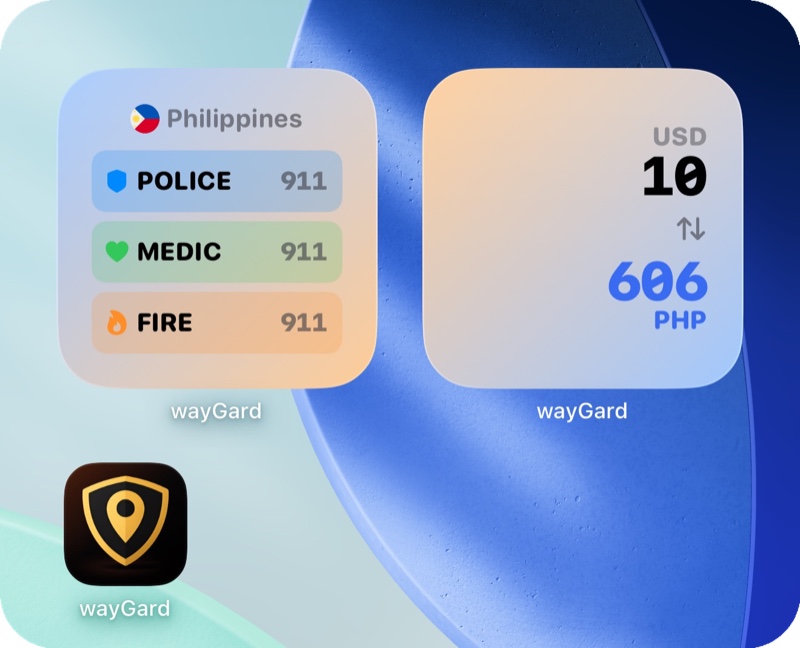
Philippines emergency numbers: 911 (Police), 911 (Ambulance), 911 (Fire Department).

Is Philippines safe for travelers?
Western and central Mindanao and the Sulu archipelago are a serious no-go for normal tourism because of terrorism and kidnapping risk. Even elsewhere in Mindanao, risk is materially higher than in the main tourist circuits.
Street crime and robbery can involve weapons. Be extra careful on public transport, around airports, and after dark in large cities.
Backpacker hotspots like Coron and Siargao have had sexual assault reports. Do not rely on random drivers or late-night informal transport.
Tap water is not a good default for visitors. Prefer sealed bottled water or reliably filtered water.
Mosquito-borne disease risk is year-round, with dengue risk higher in rainy season. Bring repellent rather than assuming you can easily buy your preferred one locally.
What health risks should travelers know about in Philippines?
Recommended vaccines and mosquito precautions depend on where you are going. Dengue, Zika, and other mosquito-borne diseases are relevant.
Healthcare quality varies a lot by island and province. Remote tourist areas may have limited emergency care, so do not assume hospital access is easy.
What laws should tourists know about in Philippines?
Carry some form of ID. A printed passport copy is a practical minimum if you do not want to carry the original.
Public displays of affection can be treated more conservatively outside major urban areas. Same-sex relationships are not illegal, but legal recognition is limited and social attitudes vary.
How is transportation in Philippines?
For city rides, use a reputable booked service instead of street taxis when possible. Grab is the most trusted mainstream ride app in many Philippine cities.
Jeepneys and buses are cheap but can be targets for robbery in big cities. Keep valuables hidden and avoid flashing cash or jewelry.
Traffic can be chaotic and slow. Do not assume vehicles will fully yield at crossings, especially in Manila and other dense cities.
What should travelers know about money in Philippines?
Currency is Philippine peso (PHP). Cards work in many hotels, malls, and chain restaurants, but cash is still normal for small shops, local transport, island trips, and many provincial areas.
Use bank ATMs in malls or bank branches when possible. Airport and street taxi situations are a common place for overcharging, so agree on the method or use an app-based ride before you get in.
Tipping is appreciated but not heavily expected. Service charge may already be added. Small tips are normal, large US-style tips are not required.
What practical info do travelers need for Philippines?
Plug types are A, B, and C. Voltage is commonly 220V.
Regional differences are huge. Metro Manila, Cebu, Boracay, Palawan, and Mindanao do not feel like the same travel experience, so country-wide assumptions can mislead you.
City Specific Info
Manila
Airport and city taxi overcharging risk is high enough that app-booked rides are a much better default.
Traffic is severe enough that short distances can take a long time. Build in large buffers for flights and transfers.
Mindanao
Risk is not uniform. Siargao, Camiguin, and Dinagat are treated differently from western and central Mindanao, which are not normal tourist destinations from a safety perspective.
Which embassies are in Philippines?
Mostly in Makati, Taguig, Manila.
 Argentina
 Australia
 Austria
 Bangladesh
 Belgium
 Brazil
 Canada
 Chile
Chile
 China
China
 Colombia
 Czechia
 Denmark
 Finland
 France
 Germany
 Greece
 Holy See (Vatican City)
 Hungary
 India
India
 Indonesia
 Israel
 Italy
Italy
 Japan
Japan
 Mexico
 Morocco
 Netherlands
 New Zealand
 Norway
 Palau
Palau
 Palestine
 Panama
Philippines
Panama
Philippines
 Romania
 Russia
 Saudi Arabia
 Singapore
 Slovenia
 South Africa
 South Korea
 Spain
Spain
 Sweden
 Switzerland
 Taiwan
 Turkey
 United Arab Emirates
 United Kingdom
 United States
Traveling Nearby?
 Malaysia
 Vietnam
Frequently Asked Questions
What is the emergency number in Philippines?
In Philippines, you can reach police at 911, ambulance at 911. These numbers work from any phone, including mobile phones without a local SIM card.
Is Philippines safe for tourists?
Western and central Mindanao and the Sulu archipelago are a serious no-go for normal tourism because of terrorism and kidnapping risk.
What currency is used in Philippines?
Currency is Philippine peso (PHP). Cards work in many hotels, malls, and chain restaurants, but cash is still normal for small shops, local transport, island trips, and many provincial areas.
What health precautions should I take in Philippines?
Recommended vaccines and mosquito precautions depend on where you are going. Dengue, Zika, and other mosquito-borne diseases are relevant.
What laws should tourists know about in Philippines?
Carry some form of ID. A printed passport copy is a practical minimum if you do not want to carry the original.
Get wayGard for iOS
Get all of Philippines's safety info offline.
