
Nigeria Travel Safety Guide
What are the emergency numbers in Nigeria?
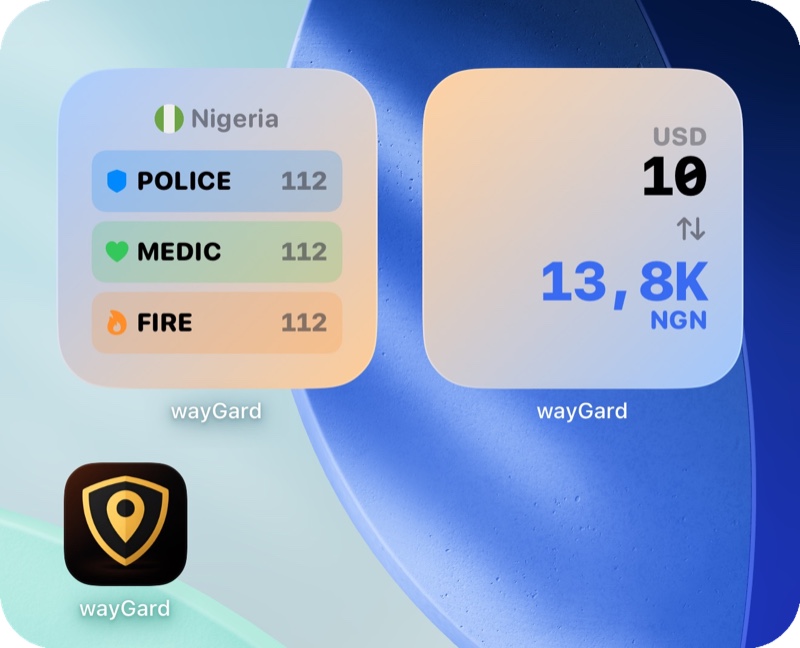
Nigeria emergency numbers: 112 (Police), 112 (Ambulance), 112 (Fire Department).

Is Nigeria safe for travelers?
Violent street crime, muggings, armed robbery, and carjacking are high-risk realities in parts of Nigeria. If attacked, comply immediately.
Kidnapping is widespread, particularly in the north west, and has increased around Abuja. Some major highways are specifically linked to kidnap risk.
Methanol poisoning from unlicensed alcoholic drinks has caused deaths. Avoid unlicensed traditional gin or other unofficial alcohol.
What health risks should travelers know about in Nigeria?
Tap water is not a safe default. Heat, malaria, and other mosquito-borne disease are practical concerns for many travellers.
What laws should tourists know about in Nigeria?
Curfews and vehicle-movement restrictions can be imposed, changed, or lifted at short notice. Failing to observe them can lead to arrest or detention.
Demonstrations in cities like Lagos and Abuja can turn violent with little warning. Avoid large crowds and protests entirely.
How is transportation in Nigeria?
Road travel can be dangerous because of crime, poor road conditions, and low driving standards. Limit road travel at night as far as possible.
Use trusted local drivers or prearranged transport, especially in Lagos and Abuja. Carjacking and armed attacks on roads are real risks.
What should travelers know about money in Nigeria?
Currency is naira (NGN). Use cards cautiously and keep them in sight when paying. Official advice warns credit card fraud is common.
Areas around banks and ATMs have seen spikes in crime. Avoid withdrawing cash at night and do not carry large amounts of money.
What practical info do travelers need for Nigeria?
Regional differences matter a lot. Lagos, Abuja, the Niger Delta, and the north west do not have the same risk profile.
Plug types are D and G, standard voltage is 230V.
City Specific Info
Lagos
Traffic can be extremely slow, and protests or security incidents can disrupt movement fast. Plan more buffer time than you think you need.
Abuja
Kidnapping risk has increased in the Federal Capital Territory area, so movement patterns and meeting locations deserve more care than many visitors assume.
Which embassies are in Nigeria?
Mostly in Abuja, Lagos, Abuja Municipal.
 Algeria
 Angola
 Argentina
 Australia
 Austria
 Belarus
 Belgium
 Brazil
 Bulgaria
 Burkina Faso
 Burundi
 Canada
 China
China
 Côte d’Ivoire
 Czechia
 Denmark
 Finland
 France
 Germany
 Ghana
Ghana
 Greece
 Guinea
 Holy See (Vatican City)
 India
India
 Indonesia
 Ireland
 Israel
 Italy
Italy
 Jamaica
 Japan
Japan
 Mexico
 Morocco
 Netherlands
 Norway
 Palestine
 Poland
 Portugal
 Qatar
Qatar
 Romania
 Russia
 Saudi Arabia
 Serbia
 Slovakia
 South Africa
 Spain
Spain
 Sweden
 Switzerland
 Taiwan
 Tanzania
 Trinidad and Tobago
 Tunisia
 Turkey
 Uganda
 Ukraine
 United Arab Emirates
 United Kingdom
 United States
Traveling Nearby?
 Cameroon
 Niger
Niger
 Benin
Benin
Frequently Asked Questions
What is the emergency number in Nigeria?
In Nigeria, you can reach police at 112, ambulance at 112. These numbers work from any phone, including mobile phones without a local SIM card.
Is Nigeria safe for tourists?
Violent street crime, muggings, armed robbery, and carjacking are high-risk realities in parts of Nigeria. If attacked, comply immediately.
What currency is used in Nigeria?
Currency is naira (NGN). Use cards cautiously and keep them in sight when paying. Official advice warns credit card fraud is common.
What health precautions should I take in Nigeria?
Tap water is not a safe default. Heat, malaria, and other mosquito-borne disease are practical concerns for many travellers.
What laws should tourists know about in Nigeria?
Curfews and vehicle-movement restrictions can be imposed, changed, or lifted at short notice. Failing to observe them can lead to arrest or detention.
Get wayGard for iOS
Get all of Nigeria's safety info offline.
