
Brazil Travel Safety Guide
What are the emergency numbers in Brazil?
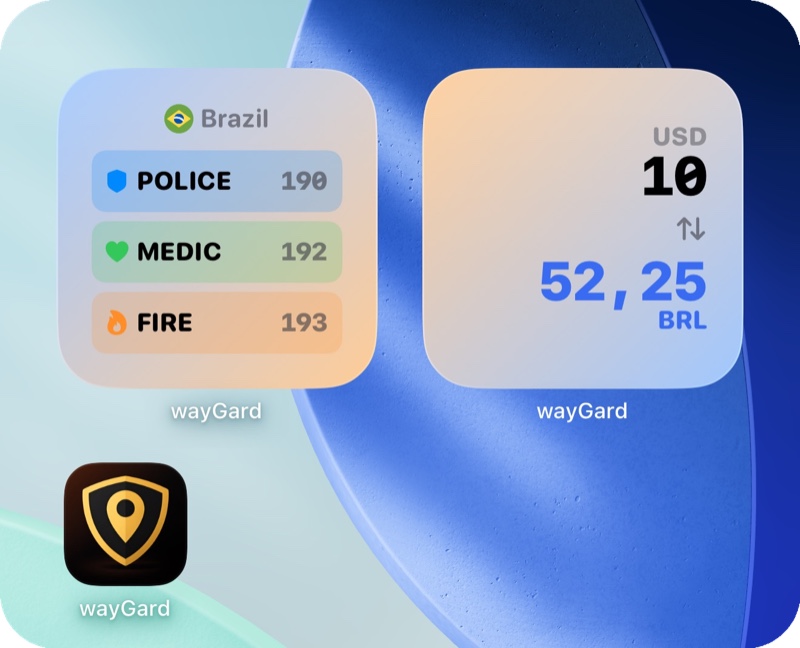
Brazil emergency numbers: 190 (Police), 192 (Ambulance), 193 (Fire Department).

Is Brazil safe for travelers?
Street crime, armed robbery, and phone theft are real risks in major cities. Do not walk with your phone out or wear obvious valuables, especially after dark.
Pickpocketing is common around transport hubs, festivals, beaches, and crowded centers.
Tap water standards vary by area and building. Many travelers prefer filtered or bottled water.
What health risks should travelers know about in Brazil?
Mosquito protection matters, especially in hotter and wetter regions. Dengue and other mosquito-borne illnesses are a practical concern.
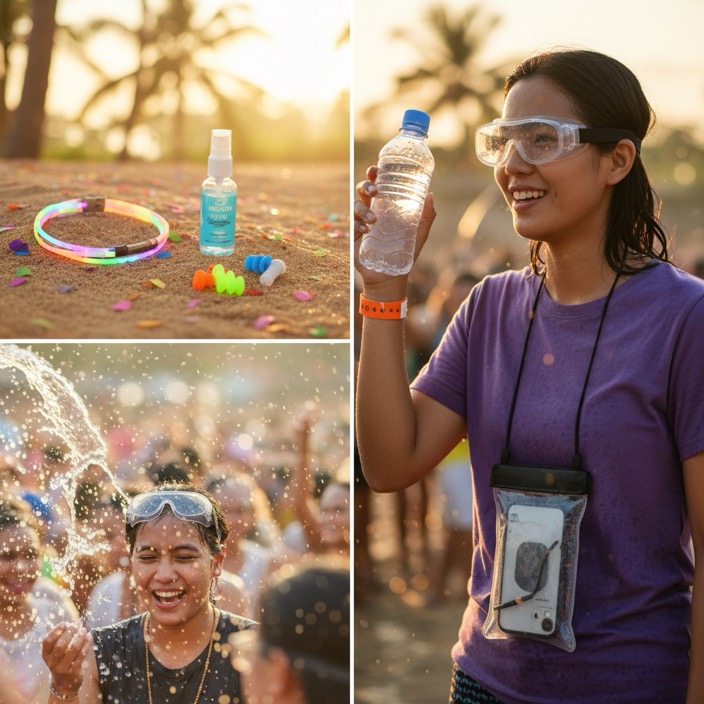
Heat, strong sun, and dehydration are common problems for visitors, especially on the coast and during Carnival or festival periods.
What laws should tourists know about in Brazil?
Drug laws are still a real legal risk and tourists should not assume casual use is safe just because enforcement looks uneven.
Keep ID accessible. Police checks are more manageable if you can identify yourself quickly.
How is transportation in Brazil?
Domestic flights and long-distance buses are common between regions. In large cities, app-booked rides are usually safer than accepting random street offers.
Uber and 99 are widely used ride apps in Brazil.
What should travelers know about money in Brazil?
Currency is Brazilian real (BRL). Cards work widely in cities, but cash is still useful for small vendors, beach kiosks, and some local services.
Prefer bank ATMs and avoid flashing cash or phones when paying. Card fraud and distraction theft happen in busy tourist areas.
Service may already be added in restaurants. Extra tipping is modest, not big US-style tipping.
What practical info do travelers need for Brazil?
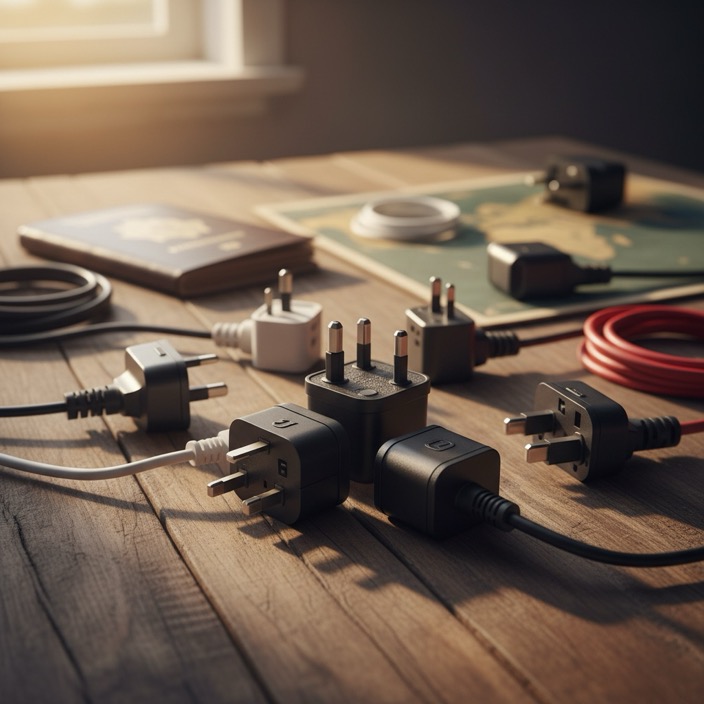
Plug types vary by property, but type N is the local standard and both 127V and 220V exist depending on the city. Check voltage before using hair tools.
Brazil is very regional. Safety, transport, and even voltage can differ sharply between cities and states.
City Specific Info
Rio de Janeiro
Beach zones and nightlife areas attract theft. Do not bring valuables you do not need.
Sao Paulo
Central business and nightlife districts can change street by street after dark. Use app rides instead of wandering on foot.
Which embassies are in Brazil?
Mostly in Brasília, São Paulo, Rio de Janeiro.
 Albania
 Algeria
 Angola
 Argentina
 Armenia
 Australia
 Austria
 Azerbaijan
 Bahrain
 Bangladesh
 Barbados
 Belarus
 Belgium
 Benin
Benin
 Bolivia
 Botswana
 Bulgaria
 Burkina Faso
 Burundi
 Cabo Verde
 Cameroon
 Canada
 Chile
Chile
 China
China
 Colombia
 Congo, Democratic Republic of the
 Costa Rica
 Côte d’Ivoire
 Croatia
 Cuba
Cuba
 Cyprus
 Czechia
 Denmark
 Dominican Republic
 Ecuador
 Egypt
Egypt
 El Salvador
 Equatorial Guinea
 Ethiopia
 Finland
 France
 Gabon
Gabon
 Georgia
 Germany
 Ghana
Ghana
 Greece
 Guatemala
 Guinea
 Guinea-Bissau
 Guyana
 Haiti
Haiti
 Holy See (Vatican City)
 Honduras
 Hungary
 India
India
 Indonesia
 Iran
Iran
 Iraq
Iraq
 Ireland
 Israel
 Italy
Italy
 Jamaica
 Japan
Japan
 Jordan
 Kazakhstan
 Kenya
Kenya
 Kuwait
 Lebanon
 Libya
Libya
 Luxembourg
 Malawi
 Malaysia
 Mali
Mali
 Mauritania
 Mexico
 Morocco
 Mozambique
 Myanmar
 Namibia
 Nepal
Nepal
 Netherlands
 New Zealand
 Nicaragua
 Nigeria
 North Korea
 North Macedonia
 Norway
 Oman
Oman
 Pakistan
 Palestine
 Panama
 Paraguay
 Peru
Peru
 Philippines
 Poland
 Portugal
 Qatar
Qatar
 Republic of the Congo
 Romania
 Russia
 Saudi Arabia
 Senegal
 Serbia
 Singapore
 Slovakia
 Slovenia
 South Africa
 South Korea
 Spain
Spain
 Sri Lanka
 Sudan
Sudan
 Suriname
 Sweden
 Switzerland
 Syrian Arab Republic
 Taiwan
 Tanzania
 Thailand
 Timor-Leste
 Togo
Togo
 Trinidad and Tobago
 Tunisia
 Turkey
 Ukraine
 United Arab Emirates
 United Kingdom
 United States
 Uruguay
 Venezuela
 Vietnam
 Zambia
 Zimbabwe
Traveling Nearby?
Related Articles

Frequently Asked Questions
What is the emergency number in Brazil?
In Brazil, you can reach police at 190, ambulance at 192, fire services at 193. These numbers work from any phone, including mobile phones without a local SIM card.
Is Brazil safe for tourists?
Street crime, armed robbery, and phone theft are real risks in major cities. Do not walk with your phone out or wear obvious valuables, especially after dark.
What currency is used in Brazil?
Currency is Brazilian real (BRL). Cards work widely in cities, but cash is still useful for small vendors, beach kiosks, and some local services.
What health precautions should I take in Brazil?
Mosquito protection matters, especially in hotter and wetter regions. Dengue and other mosquito-borne illnesses are a practical concern.
What laws should tourists know about in Brazil?
Drug laws are still a real legal risk and tourists should not assume casual use is safe just because enforcement looks uneven.
Get wayGard for iOS
Get all of Brazil's safety info offline.
