
China Travel Safety Guide
What are the emergency numbers in China?
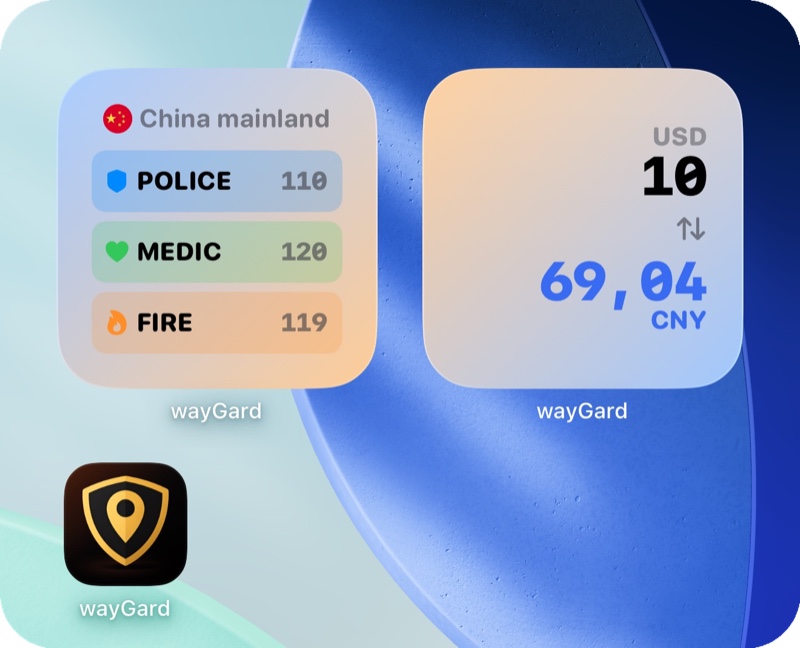
China emergency numbers: 110 (Police), 120 (Ambulance), 119 (Fire Department).

Is China safe for travelers?
Serious crime against foreign visitors is relatively rare, but petty theft and scams still happen around busy tourist zones and transport hubs.
Tap water is not a good drinking default for visitors. Use bottled or reliably boiled water.
Air quality, heat, and winter cold vary sharply by city. China is too large for one-country assumptions.
What health risks should travelers know about in China?
Food is usually fine in reputable places, but rural or very low-cost roadside choices need more caution if you have a sensitive stomach.
If you rely on specific prescription medicines, bring enough and keep the prescription documentation. Do not assume easy local replacement.
What laws should tourists know about in China?
Drug laws are severe, including for cannabis. A drug offense can lead to detention, deportation, or worse.
Politics, religion, journalism, and online speech are more legally sensitive than many visitors assume. Do not treat public criticism or sensitive photography as harmless.
Police checks and digital scrutiny can happen. Keep your passport and visa status in order and do not assume privacy norms are similar to Western countries.
VPN and internet access expectations can differ sharply from what foreign visitors are used to.
How is transportation in China?
High-speed rail, metro systems, and app-booked rides are the safest normal way to get around in major cities. DiDi is the main ride-hailing default.
Do not assume foreign cards or foreign phone setups will work smoothly for every booking or payment flow. Payment friction is a bigger issue than physical transport availability.
Crossing the road can be riskier than visitors expect. Even when signals favor pedestrians, turning traffic and e-bikes may keep moving.
What should travelers know about money in China?
Currency is renminbi (CNY). Big hotels and major chains may still take international cards, but daily life is heavily built around Alipay and WeChat Pay.
Cash still works in principle, but relying on cash alone can make ordinary purchases, transit, and small merchants inconvenient.
Tourist scam risk is highest around major sights, tea-house invitations, fake guides, and transport overcharging.
What practical info do travelers need for China?
Plug types are A, C, and I. Voltage is 220V.
Useful apps often include WeChat, Alipay, DiDi, and local map or translation tools. Google services may not work normally.
Mainland China is not the same as Hong Kong or Macao for payments, internet, or legal sensitivity.
City Specific Info
Beijing
Political and security sensitivity is higher around government areas. Be conservative with photography and public behavior near official sites.
Shanghai
Shanghai is easier for first-time visitors than much of the country, but the payments issue still catches many foreigners off guard.
Which embassies are in China?
Mostly in Beijing, Shanghai, Hong Kong.
 Afghanistan
 Albania
 Algeria
 Angola
 Antigua and Barbuda
 Argentina
 Armenia
 Australia
 Austria
 Azerbaijan
 Bahamas
 Bahrain
 Bangladesh
 Barbados
 Belarus
 Belgium
 Bolivia
 Bosnia and Herzegovina
 Botswana
 Brazil
 Brunei
 Bulgaria
 Burkina Faso
 Cabo Verde
 Cambodia
 Cameroon
 Canada
 Chile
Chile
 Colombia
 Congo, Democratic Republic of the
 Costa Rica
 Côte d’Ivoire
 Croatia
 Cyprus
 Czechia
 Denmark
 Djibouti
 Dominican Republic
 Ecuador
 Egypt
Egypt
 Equatorial Guinea
 Eritrea
 Estonia
 Ethiopia
 Finland
 France
 Georgia
 Germany
 Ghana
Ghana
 Greece
 Guinea
 Guinea-Bissau
 Guyana
 Hungary
 Iceland
 India
India
 Indonesia
 Iran
Iran
 Iraq
Iraq
 Ireland
 Israel
 Italy
Italy
 Jamaica
 Japan
Japan
 Jordan
 Kazakhstan
 Kenya
Kenya
 Kuwait
 Kyrgyzstan
 Laos
Laos
 Latvia
 Lebanon
 Libya
Libya
 Lithuania
 Luxembourg
 Macao
Macao
 Madagascar
 Malaysia
 Maldives
 Mali
Mali
 Malta
Malta
 Mauritania
 Mauritius
 Mexico
 Micronesia
 Moldova, Republic of
 Mongolia
 Montenegro
 Morocco
 Mozambique
 Myanmar
 Nepal
Nepal
 Netherlands
 New Zealand
 Nigeria
 North Korea
 North Macedonia
 Norway
 Oman
Oman
 Pakistan
 Palestine
 Panama
 Peru
Peru
 Philippines
 Poland
 Portugal
 Qatar
Qatar
 Republic of the Congo
 Romania
 Russia
 Rwanda
 Saudi Arabia
 Serbia
 Seychelles
 Sierra Leone
 Singapore
 Slovakia
 Slovenia
 Somalia
 South Africa
 South Korea
 Spain
Spain
 Sri Lanka
 Sudan
Sudan
 Suriname
 Sweden
 Switzerland
 Syrian Arab Republic
 Taiwan
 Tajikistan
 Tanzania
 Thailand
 Timor-Leste
 Togo
Togo
 Tonga
Tonga
 Trinidad and Tobago
 Tunisia
 Turkey
 Turkmenistan
 Ukraine
 United Arab Emirates
 United Kingdom
 United States
 Uruguay
 Uzbekistan
 Vanuatu
 Venezuela
 Vietnam
 Yemen
Yemen
 Zambia
 Zimbabwe
Traveling Nearby?
Related Articles
Frequently Asked Questions
What is the emergency number in China?
In China, you can reach police at 110, ambulance at 120, fire services at 119. These numbers work from any phone, including mobile phones without a local SIM card.
Is China safe for tourists?
Serious crime against foreign visitors is relatively rare, but petty theft and scams still happen around busy tourist zones and transport hubs.
What currency is used in China?
Currency is renminbi (CNY). Big hotels and major chains may still take international cards, but daily life is heavily built around Alipay and WeChat Pay.
What health precautions should I take in China?
Food is usually fine in reputable places, but rural or very low-cost roadside choices need more caution if you have a sensitive stomach.
What laws should tourists know about in China?
Drug laws are severe, including for cannabis. A drug offense can lead to detention, deportation, or worse.
Get wayGard for iOS
Get all of China's safety info offline.
