
Guinea Travel Safety Guide
What are the emergency numbers in Guinea?
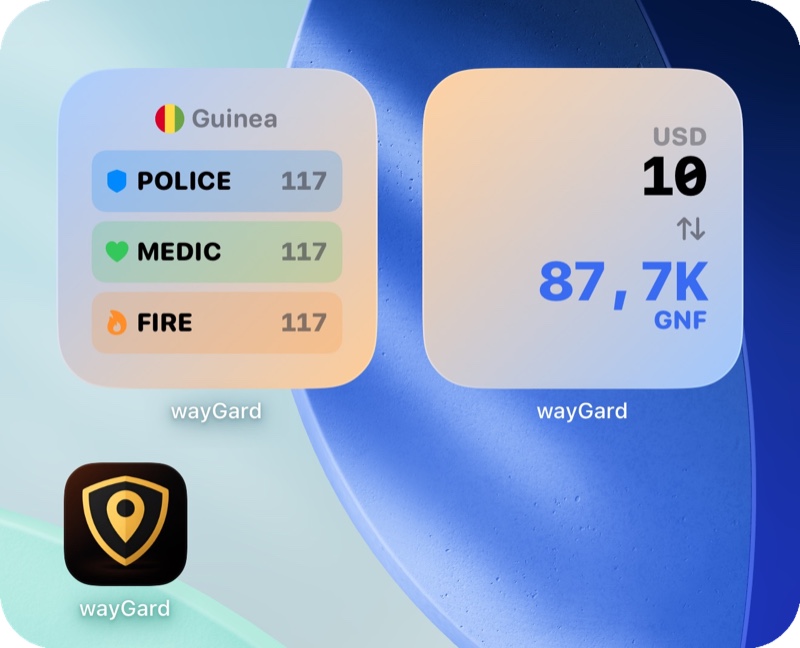
Guinea emergency numbers: 117 (Police), 117 (Ambulance), 117 (Fire Department).

Is Guinea safe for travelers?
Political protests can turn violent with little warning, especially in Conakry. Avoid demonstrations and do not linger near security forces, roadblocks, or crowds.
Street crime, bag snatching, and opportunistic theft are real risks in Conakry, especially after dark. Use pre-arranged transport rather than walking late at night.
What health risks should travelers know about in Guinea?
A yellow fever certificate is required for entry, and malaria risk is present year-round. Mosquito protection matters more here than it would in many mainstream tourist destinations.
Tap water is not a safe default for visitors. Stick to sealed bottled or properly treated water, and be more cautious with ice and raw foods.
What practical info do travelers need for Guinea?
Cards are not dependable outside better hotels, major supermarkets, or bank-linked businesses. Carry cash and use bank ATMs where possible.
Power is 220V, 50Hz with plug types C, F, and K. Connectivity and transport reliability can be weaker than travelers expect.
Which embassies are in Guinea?
Mostly in Conakry, Dixinn, Kaloum.
 Algeria
 Angola
 Belgium
 Brazil
 Canada
 China
China
 Côte d’Ivoire
 Cuba
Cuba
 Czechia
 Egypt
Egypt
 Equatorial Guinea
 Ethiopia
 France
 Germany
 Ghana
Ghana
 Guinea-Bissau
 Holy See (Vatican City)
 India
India
 Indonesia
 Iran
Iran
 Italy
Italy
 Japan
Japan
 Liberia
 Libya
Libya
 Malaysia
 Mali
Mali
 Morocco
 Nigeria
 Norway
 Philippines
 Qatar
Qatar
 Russia
 Rwanda
 Saudi Arabia
 Senegal
 Serbia
 Sierra Leone
 Slovakia
 South Africa
 Spain
Spain
 Sri Lanka
 Turkey
 United Arab Emirates
 United Kingdom
 United States
Frequently Asked Questions
What is the emergency number in Guinea?
In Guinea, you can reach police at 117, ambulance at 117. These numbers work from any phone, including mobile phones without a local SIM card.
Is Guinea safe for tourists?
Political protests can turn violent with little warning, especially in Conakry. Avoid demonstrations and do not linger near security forces, roadblocks, or crowds.
What health precautions should I take in Guinea?
A yellow fever certificate is required for entry, and malaria risk is present year-round. Mosquito protection matters more here than it would in many mainstream tourist destinations.
Get wayGard for iOS
Get all of Guinea's safety info offline.
