
Mexico Travel Safety Guide
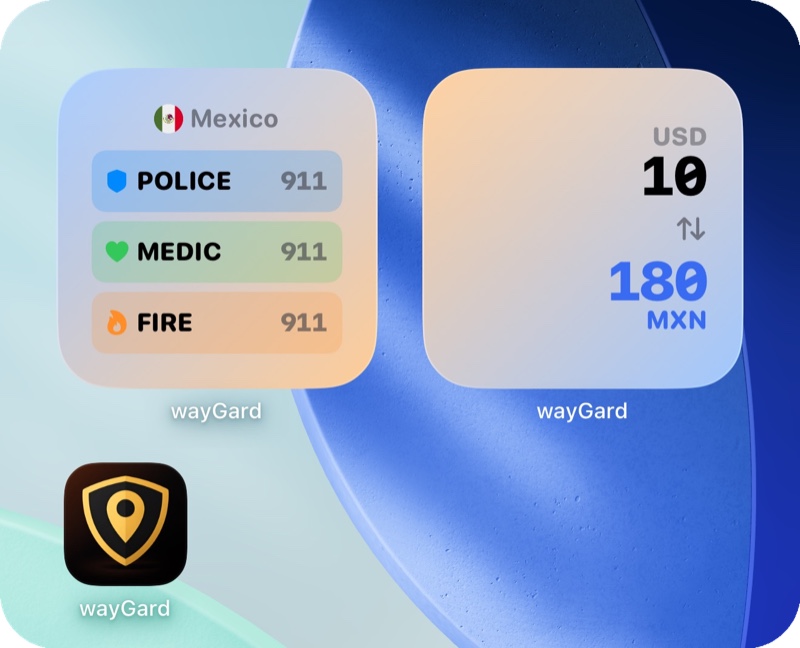
What are the emergency numbers in Mexico?
Mexico emergency numbers: 911 (Police), 911 (Ambulance), 911 (Fire Department).

Is Mexico safe for travelers?
Crime can affect tourists even in major cities and beach destinations. Keep plans low profile, avoid isolated areas after dark, and be cautious with nightlife, cash, and expensive phones or watches.
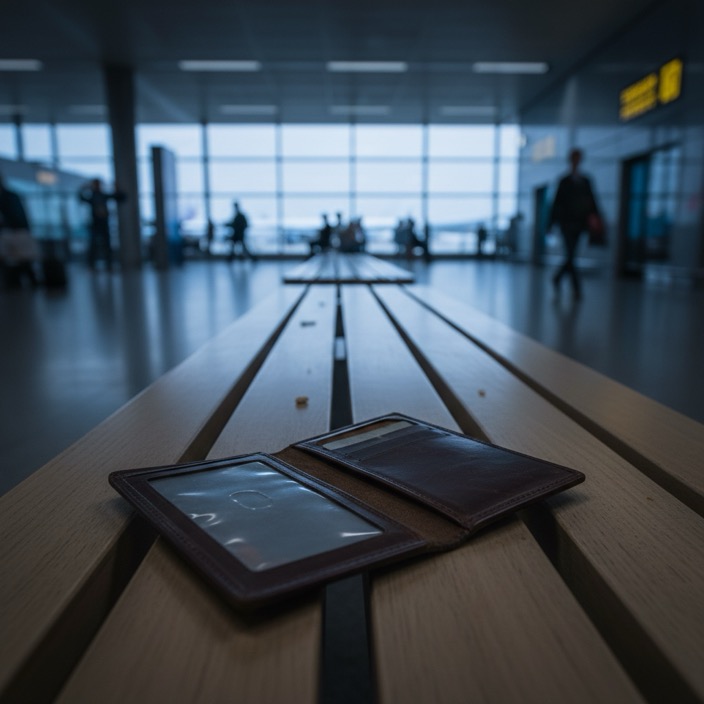
Pickpocketing and distraction theft are common in transport hubs, markets, and nightlife areas.
Do not assume tap water is safe for visitors. Bottled or reliably filtered water is the safer default.
What health risks should travelers know about in Mexico?
Heat, sun, and dehydration can hit hard, especially in beach destinations and inland cities at altitude.
Mosquito-borne illness can matter in tropical and coastal areas, so repellent matters more than many first-time visitors expect.
What laws should tourists know about in Mexico?
Drug crime is treated seriously and some regions have significant cartel-related violence. Do not involve yourself with marijuana or other drugs even if local attitudes look relaxed.
Carry photo ID or a passport copy and keep the original secure unless you need it. Police and immigration checks can happen.
How is transportation in Mexico?
Use official airport transport, hotel-booked cars, or mainstream ride apps in large cities. Uber is widely used in many parts of Mexico, though local conflicts with taxis can still happen in some resort areas.
Long-distance buses and domestic flights are the normal way to move between major tourist areas. Avoid driving at night in unfamiliar areas because security risk and road conditions can change fast.
What should travelers know about money in Mexico?
Currency is Mexican peso (MXN). Cards work in many hotels, malls, chain restaurants, and urban businesses, but cash still helps for markets, small vendors, tips, and some local transport.
Use bank ATMs and be careful with airport, taxi, and exchange overcharging. Tourist zones are a common place for inflated taxi fares and card skimming attempts.
Tipping is expected in restaurants and for service. Around 10 to 15 percent is normal, not optional in practice for sit-down service.
What practical info do travelers need for Mexico?
Plug types are A and B, usually 127V in much of the country. US-style plugs usually work.
Regional differences are major. Resort corridors, Mexico City, and some border or inland states can feel like very different countries in terms of safety and logistics.
City Specific Info
Cancun / Riviera Maya
Taxi pricing disputes and friction between taxis and ride-hailing services have been a recurring issue. Confirm the transport method before leaving the airport or nightlife areas.
Mexico City
Metro and busy central areas are practical, but pickpocketing and phone theft are common in crowds.
Which embassies are in Mexico?
Mostly in Mexico City, Cancun, Guadalajara.
 Algeria
 Argentina
 Armenia
 Australia
 Austria
 Azerbaijan
 Bangladesh
 Belgium
 Belize
 Bolivia
 Brazil
 Bulgaria
 Canada
 Chile
Chile
 China
China
 Colombia
 Costa Rica
 Côte d’Ivoire
 Cuba
Cuba
 Cyprus
 Czechia
 Denmark
 Dominican Republic
 Ecuador
 Egypt
Egypt
 El Salvador
 Finland
 France
 Georgia
 Germany
 Greece
 Guatemala
 Haiti
Haiti
 Holy See (Vatican City)
 Honduras
 Hungary
 India
India
 Indonesia
 Iran
Iran
 Iraq
Iraq
 Ireland
 Israel
 Italy
Italy
 Jamaica
 Japan
Japan
 Jordan
 Kazakhstan
 Kuwait
 Latvia
 Lebanon
 Libya
Libya
 Malaysia
 Morocco
 Netherlands
 New Zealand
 Nicaragua
 Nigeria
 North Korea
 Norway
 Pakistan
 Palestine
 Panama
 Paraguay
 Peru
Peru
 Philippines
 Poland
 Portugal
 Romania
 Russia
 Saudi Arabia
 Serbia
 Slovakia
 South Africa
 South Korea
 Spain
Spain
 Sweden
 Switzerland
 Taiwan
 Thailand
 Turkey
 Ukraine
 United Arab Emirates
 United Kingdom
 United States
 Uruguay
 Venezuela
 Vietnam
Traveling Nearby?
Related Articles
Frequently Asked Questions
What is the emergency number in Mexico?
In Mexico, you can reach police at 911, ambulance at 911. These numbers work from any phone, including mobile phones without a local SIM card.
Is Mexico safe for tourists?
Crime can affect tourists even in major cities and beach destinations. Keep plans low profile, avoid isolated areas after dark, and be cautious with nightlife, cash, and expensive phones or watches.
What currency is used in Mexico?
Currency is Mexican peso (MXN). Cards work in many hotels, malls, chain restaurants, and urban businesses, but cash still helps for markets, small vendors, tips, and some local transport.
What health precautions should I take in Mexico?
Heat, sun, and dehydration can hit hard, especially in beach destinations and inland cities at altitude.
What laws should tourists know about in Mexico?
Drug crime is treated seriously and some regions have significant cartel-related violence. Do not involve yourself with marijuana or other drugs even if local attitudes look relaxed.
Get wayGard for iOS
Get all of Mexico's safety info offline.
