
Thailand Travel Safety Guide
What are the emergency numbers in Thailand?
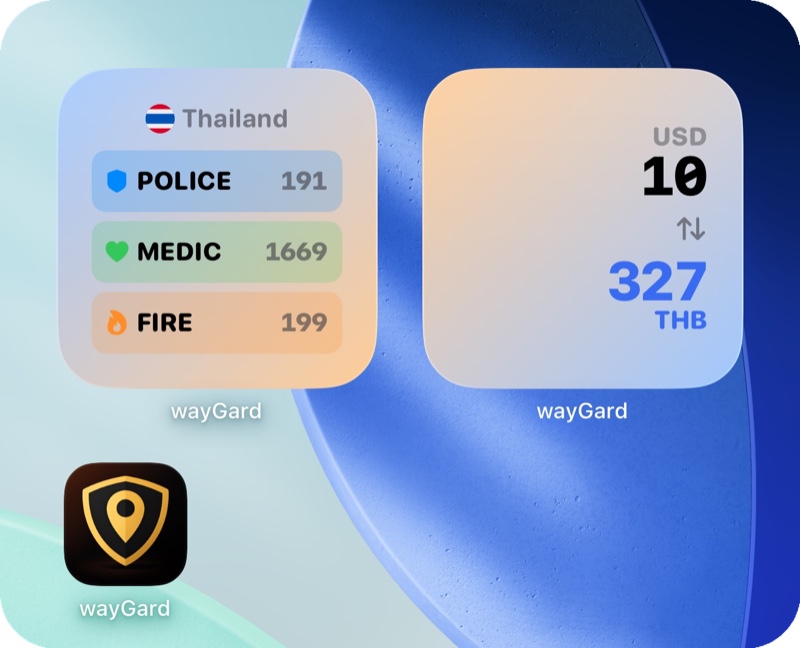
Thailand emergency numbers: 191 (Police), 1669 (Ambulance), 199 (Fire Department).

Is Thailand safe for travelers?
Drink spiking and drug-assisted sexual assault happen in tourist nightlife areas, especially around party scenes. Do not leave drinks unattended and pre-arrange your ride home.
Methanol poisoning has caused deaths in Thailand. Be cautious with cheap spirits, buckets, and alcohol from questionable sources.
Tap water is not a good default for visitors. Bottled or reliably filtered water is the safer choice.
Pickpocketing and bag snatching happen in tourist areas. Open transport like tuk-tuks leaves bags more exposed.
What health risks should travelers know about in Thailand?
Dengue, malaria, rabies, and other mosquito or animal-borne risks are relevant depending on where you go.
Bangkok and Chiang Mai can have dangerous air pollution, especially during seasonal burning periods.
Hospitals and pharmacies are widely available, but street-sold medicines may be fake or stolen.
What laws should tourists know about in Thailand?
Criticising the Thai monarchy can lead to very serious criminal charges. This includes some online comments and shares.
E-cigarettes are illegal. Carrying or using them can lead to fines or imprisonment.
Cannabis is not a tourist free-for-all. Recreational use remains illegal, and medical use requires a Thai-issued prescription.
Police may ask for your passport. A copy of the photo page is usually enough, but be ready to produce the original within 24 hours if asked.
Public smoking is illegal in some settings and alcohol sales are restricted during certain hours. Do not assume Western-style freedom around public drinking and smoking.
Drone use requires registration. Unregistered flying can lead to heavy penalties.
How is transportation in Thailand?
Grab is a trusted mainstream ride app across much of Thailand. App-booked rides are usually a better first choice than negotiating with random taxis or tuk-tuks.
Do not hand your passport over as a deposit for motorbike or jet-ski rentals. This is a classic setup for damage disputes.
Thai roads are dangerous by regional standards, especially if you rent a scooter or motorcycle. Only ride if you are properly licensed, insured, and comfortable with aggressive traffic.
What should travelers know about money in Thailand?
Currency is Thai baht (THB). Cards work well in malls, chain businesses, and many hotels, but cash is still important for markets, small eateries, local transport, and some islands.
Tourist areas are full of pricing games around taxis, tuk-tuks, and some exchange counters. Use known apps or official counters instead of improvising when tired at airports or nightlife zones.
Tipping is not compulsory. Small rounding up or modest tips for good service are enough.
What practical info do travelers need for Thailand?
Plug types are A, B, C, and sometimes O. Voltage is commonly 220V.
Bangkok, island party zones, Chiang Mai, and the deep south behave very differently. Treat regional advice seriously rather than assuming one Thailand experience.
City Specific Info
Bangkok
Traffic is intense and pedestrian behavior is not as forgiving as in many Western cities. Use footbridges and marked crossings when possible, but still stay alert.
Southern border provinces
Pattani, Yala, Narathiwat, and parts of southern Songkhla are not routine tourist areas because of regular attacks and unrest.
Thailand-Cambodia border
Within 20 km of the land border with Cambodia carries extra risk due to fighting, closed crossings, and landmine danger.
Which embassies are in Thailand?
Mostly in Bangkok, Lumphini, Mueang Chiang Mai.
 Argentina
 Australia
 Austria
 Bahrain
 Bangladesh
 Belgium
 Bhutan
 Brazil
 Canada
 Chile
Chile
 China
China
 Colombia
 Czechia
 Denmark
 Finland
 France
 Germany
 Greece
 Holy See (Vatican City)
 Hungary
 India
India
 Indonesia
 Iran
Iran
 Ireland
 Israel
 Italy
Italy
 Japan
Japan
 Luxembourg
 Maldives
 Mexico
 Mongolia
 Morocco
 Myanmar
 Nepal
Nepal
 Netherlands
 New Zealand
 North Korea
 Norway
 Palestine
 Panama
 Peru
Peru
 Poland
 Portugal
 Romania
 Russia
 Saudi Arabia
 Singapore
 Slovakia
 Slovenia
 South Africa
 South Korea
 Spain
Spain
 Sweden
 Switzerland
 Taiwan
 Turkey
 Ukraine
 United Arab Emirates
 United Kingdom
 United States
 Yemen
Yemen
Traveling Nearby?
 Malaysia
 Cambodia
 Laos
Laos
 Vietnam
Related Articles

Frequently Asked Questions
What is the emergency number in Thailand?
In Thailand, you can reach police at 191, ambulance at 1669, fire services at 199. These numbers work from any phone, including mobile phones without a local SIM card.
Is Thailand safe for tourists?
Drink spiking and drug-assisted sexual assault happen in tourist nightlife areas, especially around party scenes. Do not leave drinks unattended and pre-arrange your ride home.
What currency is used in Thailand?
Currency is Thai baht (THB). Cards work well in malls, chain businesses, and many hotels, but cash is still important for markets, small eateries, local transport, and some islands.
What health precautions should I take in Thailand?
Dengue, malaria, rabies, and other mosquito or animal-borne risks are relevant depending on where you go.
What laws should tourists know about in Thailand?
Criticising the Thai monarchy can lead to very serious criminal charges. This includes some online comments and shares.
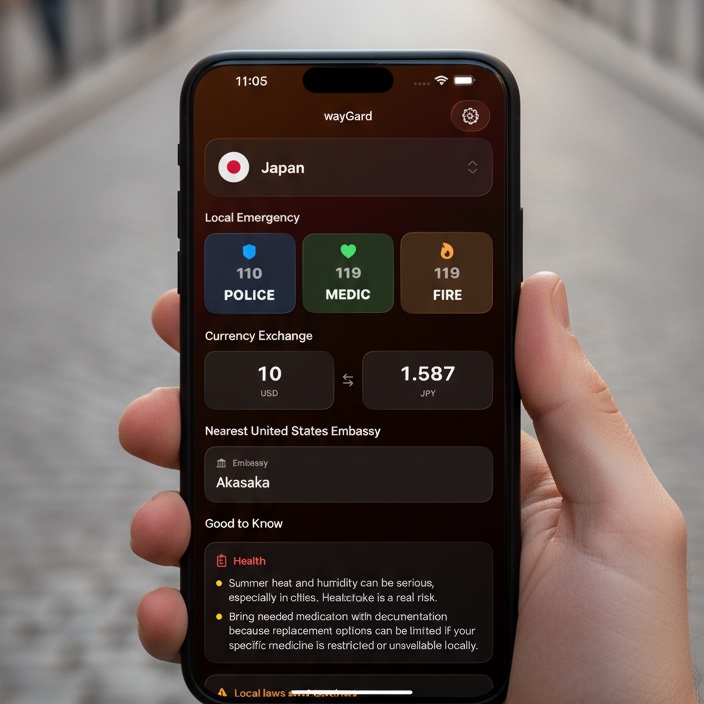
Get wayGard for iOS
Get all of Thailand's safety info offline.
