
Fiji Travel Safety Guide
What are the emergency numbers in Fiji?
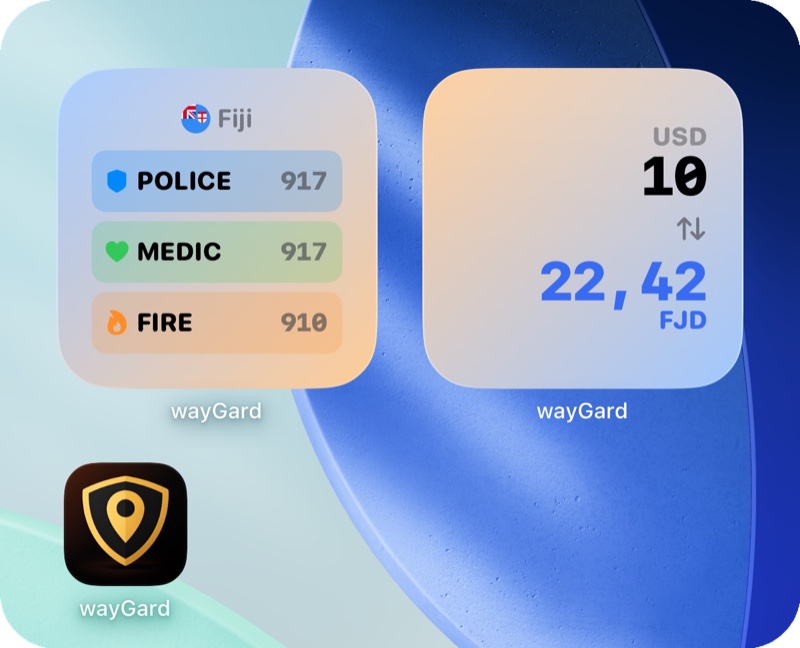
Fiji emergency numbers: 917 (Police), 917 (Ambulance), 910 (Fire Department).

Is Fiji safe for travelers?
Violent crime against tourists is not the norm, but theft and opportunistic robbery can happen in towns and around nightlife. Keep beach gear and phones with you rather than unattended.
Tap water is often fine in major hotels and some urban settings, but many travelers use bottled or filtered water outside that context. Food hygiene is usually manageable in busy places, but use more caution with poorly kept roadside food.
What health risks should travelers know about in Fiji?
Heat, humidity, strong sun, and mosquito exposure are the main everyday health issues. Cyclone season can also disrupt ferries, flights, and power.
How is transportation in Fiji?
Hotel transfers, domestic flights, ferries, buses, and licensed taxis are the normal ways to move around. Small change can help for buses and local services.
Road conditions and lighting can be weaker than visitors expect, especially outside Suva and Nadi. Avoid casual walking along roads after dark.
What should travelers know about money in Fiji?
Currency is Fijian dollar (FJD). Cards work in many resorts, hotels, and larger restaurants, but cash is still useful for local buses, markets, small shops, and some taxis.
Use bank ATMs in town centers or malls and agree taxi pricing or confirm the meter before starting. Tipping is not a strong local expectation outside higher end tourism.
What practical info do travelers need for Fiji?
Plug type is I, standard voltage is 240V. Resort islands and mainland towns feel very different, with resorts much easier for cards and logistics than local town travel.
City Specific Info
Nadi
Nadi is easier for arrivals, resort transfers, and tourist services than Suva, but airport and taxi pricing still deserve attention before you get in a car.
Suva
Suva feels more like a working city than a resort zone, so normal urban theft precautions matter more here than on outer island stays.
Which embassies are in Fiji?
Mostly in Suva.
 Australia
 Cook Islands
 France
 Germany
 Holy See (Vatican City)
 India
India
 Indonesia
 Japan
Japan
 Marshall Islands
 Micronesia
 New Zealand
 South Africa
 Taiwan
 United Kingdom
 United States
 Vanuatu
Frequently Asked Questions
What is the emergency number in Fiji?
In Fiji, you can reach police at 917, ambulance at 917, fire services at 910. These numbers work from any phone, including mobile phones without a local SIM card.
Is Fiji safe for tourists?
Violent crime against tourists is not the norm, but theft and opportunistic robbery can happen in towns and around nightlife. Keep beach gear and phones with you rather than unattended.
What currency is used in Fiji?
Currency is Fijian dollar (FJD). Cards work in many resorts, hotels, and larger restaurants, but cash is still useful for local buses, markets, small shops, and some taxis.
What health precautions should I take in Fiji?
Heat, humidity, strong sun, and mosquito exposure are the main everyday health issues. Cyclone season can also disrupt ferries, flights, and power.
Get wayGard for iOS
Get all of Fiji's safety info offline.
