
Greece Travel Safety Guide
What are the emergency numbers in Greece?
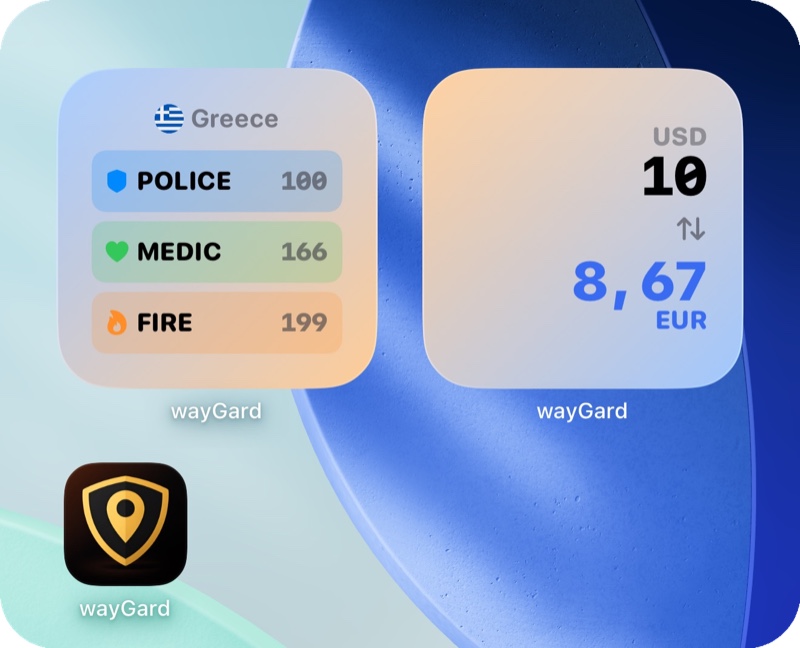
Greece emergency numbers: 100 (Police), 166 (Ambulance), 199 (Fire Department).

Is Greece safe for travelers?
Theft of passports, wallets, and handbags is common on the Athens metro and in crowded tourist areas, especially in central Athens.
Avoid protests in central Athens, especially around Syntagma Square, and expect strikes that can disrupt ferries, trains, buses, and flights with little notice.
Nightlife risks include drink spiking and assault. Use pre-arranged transport after a night out and avoid walking back alone when drunk.
What health risks should travelers know about in Greece?
Summer heat, wildfire smoke, and dehydration are more important risks than disease for many visitors, especially on islands and during hikes.
Tap water is generally safe in Athens and most mainland cities, but on some islands locals and visitors prefer bottled water because of taste or local supply differences.
What laws should tourists know about in Greece?
Carry your passport, not just a copy. Police may ask for ID and may not accept a photocopy.
Rowdy or indecent behavior, especially when drunk, can lead to arrest, fines, or worse than many visitors expect.
It is illegal to smoke in indoor public places. Drugs, including cannabis, carry severe penalties.
Do not photograph military sites, vehicles, buildings, or sensitive border areas.
How is transportation in Greece?
Use licensed taxis or a booked app ride rather than accepting ad hoc lifts. Freenow is a mainstream taxi app in Greece and GOV.UK also points travelers to Uber or Free Now for licensed cabs.
Public transport is normal in Athens, but validate or time-stamp tickets where required. Unvalidated tickets can lead to fines.
Driving can feel faster and more chaotic than in Northern Europe. Pedestrian crossings are not always respected, even when you have the signal.
What should travelers know about money in Greece?
Currency is euro (EUR). Cards are widely accepted in cities, hotels, supermarkets, and many restaurants, but cash is still smart for small island businesses, beach bars, village shops, and some taxis.
Pickpocketing is common in crowded tourist areas and on Athens transport. Keep cards and cash split up, and watch for restaurant or taxi situations where you are not given a clear receipt.
Tipping is modest rather than US-style. A small round-up or about 5 to 10 percent in restaurants is enough when service is good.
What practical info do travelers need for Greece?
Plug types are C and F, 230V.
Athens behaves very differently from quiet islands or villages. In Athens, protests, pickpocketing, and transport disruption matter much more.
City Specific Info
Athens
Central Athens has the highest concentration of protests, metro theft, and transport disruption. Build in extra time on strike days and keep valuables tightly controlled.
Syntagma Square and surrounding central routes are the most likely to be affected by demonstrations and police crowd control measures like tear gas.
Greek islands
Island travel depends heavily on ferries and weather. Strike disruption and wind-related cancellations can change plans quickly.
Which embassies are in Greece?
Mostly in Athens, Psychiko, Filothei-Psychiko Municipality.
 Afghanistan
 Albania
 Algeria
 Antigua and Barbuda
 Argentina
 Armenia
 Australia
 Austria
 Azerbaijan
 Bangladesh
 Belgium
 Bosnia and Herzegovina
 Brazil
 Bulgaria
 Canada
 Chile
Chile
 China
China
 Congo, Democratic Republic of the
 Croatia
 Cuba
Cuba
 Cyprus
 Czechia
 Denmark
 Egypt
Egypt
 Estonia
 Finland
 France
 Georgia
 Germany
 Holy See (Vatican City)
 Hungary
 India
India
 Indonesia
 Iran
Iran
 Iraq
Iraq
 Ireland
 Israel
 Italy
Italy
 Japan
Japan
 Jordan
 Kazakhstan
 Kuwait
 Latvia
 Lebanon
 Libya
Libya
 Lithuania
 Luxembourg
 Malta
Malta
 Mexico
 Moldova, Republic of
 Montenegro
 Morocco
 Netherlands
 Nigeria
 North Macedonia
 Norway
 Pakistan
 Palestine
 Panama
 Peru
Peru
 Philippines
 Poland
 Portugal
 Qatar
Qatar
 Romania
 Russia
 Saudi Arabia
 Serbia
 Slovakia
 Slovenia
 South Africa
 South Korea
 Spain
Spain
 Sudan
Sudan
 Sweden
 Switzerland
 Taiwan
 Thailand
 Tunisia
 Turkey
 Ukraine
 United Arab Emirates
 United Kingdom
 United States
 Uruguay
 Venezuela
 Vietnam
Traveling Nearby?
Frequently Asked Questions
What is the emergency number in Greece?
In Greece, you can reach police at 100, ambulance at 166, fire services at 199. These numbers work from any phone, including mobile phones without a local SIM card.
Is Greece safe for tourists?
Theft of passports, wallets, and handbags is common on the Athens metro and in crowded tourist areas, especially in central Athens.
What currency is used in Greece?
Currency is euro (EUR). Cards are widely accepted in cities, hotels, supermarkets, and many restaurants, but cash is still smart for small island businesses, beach bars, village shops, and some taxis.
What health precautions should I take in Greece?
Summer heat, wildfire smoke, and dehydration are more important risks than disease for many visitors, especially on islands and during hikes.
What laws should tourists know about in Greece?
Carry your passport, not just a copy. Police may ask for ID and may not accept a photocopy.
Get wayGard for iOS
Get all of Greece's safety info offline.
