
Italy Travel Safety Guide
What are the emergency numbers in Italy?
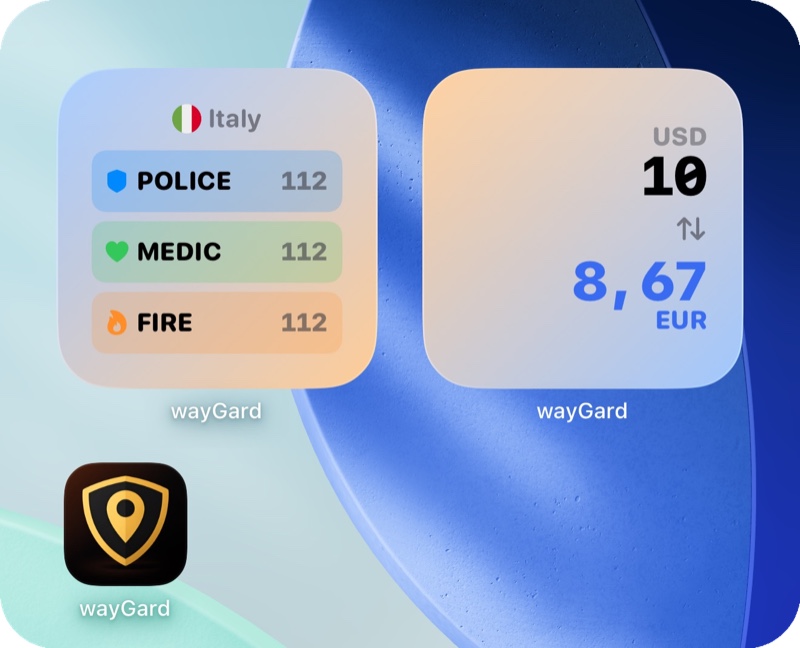
Italy emergency numbers: 112 (Police), 112 (Ambulance), 112 (Fire Department).

Is Italy safe for travelers?
Pickpocketing is common in tourist-heavy areas, especially around stations, metros, and crowded landmarks in Rome, Milan, Florence, Naples, and Venice.
Tap water is generally safe to drink, including many public fountains clearly marked as potable.
Heat and sun can be a bigger real risk than crime in summer, especially when sightseeing on foot.
What health risks should travelers know about in Italy?
Summer heat and dehydration are the main health issue for many visitors. Mosquitoes can also be annoying in warmer months.
What laws should tourists know about in Italy?
Carry photo ID. Police can check identity and your date of entry, and drivers may be asked for a full passport.
You can be fined for behavior that tourists wrongly treat as harmless, such as sitting on certain monument areas, entering fountains, or buying from unauthorized street sellers.
Cannabis rules are not something to freestyle as a tourist. Do not assume social acceptance equals legal safety.
How is transportation in Italy?
Trains and city transit are the easiest default between major destinations. For taxis in major cities, use official taxi ranks or apps like Free Now where supported.
Validate paper public-transport tickets where required. Forgetting to validate can mean a fine even if you bought the ticket.
ZTL restricted traffic zones in historic centers can trigger expensive fines if you drive where you should not.
What should travelers know about money in Italy?
Currency is euro (EUR). Cards work widely, but cash still helps for small cafes, kiosks, or older family-run places.
Pick ATMs attached to banks and avoid tourist exchange traps. In big cities, overcharging around taxis and tourist restaurants is a more common hassle than fake fees at normal shops.
A small tip or rounding up is enough in most cases. Service may already be included, and large US-style tipping is not expected.
What practical info do travelers need for Italy?
Plug types are C, F, and L. Voltage is 230V.
Useful apps include Trenitalia or Italo for trains, Google Maps, and Free Now or local taxi apps in bigger cities.
Tourist-city rules can feel stricter than small-town Italy, especially around heritage sites and driving zones.
City Specific Info
Rome
Treat Termini and crowded transit areas as prime pickpocket territory.
Venice
Tourist conduct rules are enforced more aggressively than many visitors expect, especially around major landmarks and restricted areas.
Which embassies are in Italy?
Mostly in Rome, Milan, Florence.
 Afghanistan
 Albania
 Algeria
 Angola
 Argentina
 Armenia
 Australia
 Austria
 Azerbaijan
 Bahrain
 Bangladesh
 Belarus
 Belgium
 Belize
 Benin
Benin
 Bolivia
 Bosnia and Herzegovina
 Brazil
 Bulgaria
 Burkina Faso
 Burundi
 Cabo Verde
 Cameroon
 Canada
 Chile
Chile
 China
China
 Colombia
 Congo, Democratic Republic of the
 Costa Rica
 Côte d’Ivoire
 Croatia
 Cuba
Cuba
 Cyprus
 Czechia
 Denmark
 Dominican Republic
 Ecuador
 Egypt
Egypt
 El Salvador
 Equatorial Guinea
 Eritrea
 Estonia
 Ethiopia
 Finland
 France
 Gabon
Gabon
 Georgia
 Germany
 Ghana
Ghana
 Greece
 Guatemala
 Guinea
 Haiti
Haiti
 Holy See (Vatican City)
 Honduras
 Hungary
 India
India
 Indonesia
 Iran
Iran
 Iraq
Iraq
 Ireland
 Israel
Italy
Israel
Italy
 Japan
Japan
 Jordan
 Kazakhstan
 Kenya
Kenya
 Kuwait
 Kyrgyzstan
 Latvia
 Lebanon
 Lesotho
 Liberia
 Libya
Libya
 Lithuania
 Luxembourg
 Madagascar
 Malaysia
 Mali
Mali
 Malta
Malta
 Mauritania
 Mexico
 Moldova, Republic of
 Monaco
 Mongolia
 Montenegro
 Morocco
 Mozambique
 Myanmar
 Netherlands
 New Zealand
 Nicaragua
 Niger
Niger
 Nigeria
 North Korea
 North Macedonia
 Norway
 Oman
Oman
 Pakistan
 Palestine
 Panama
 Paraguay
 Peru
Peru
 Philippines
 Poland
 Portugal
 Qatar
Qatar
 Republic of the Congo
 Romania
 Russia
 San Marino
 Saudi Arabia
 Senegal
 Serbia
 Slovakia
 Slovenia
 Somalia
 South Africa
 South Korea
 South Sudan
 Spain
Spain
 Sri Lanka
 Sudan
Sudan
 Sweden
 Switzerland
 Taiwan
 Tanzania
 Thailand
 Timor-Leste
 Tunisia
 Turkey
 Turkmenistan
 Uganda
 Ukraine
 United Arab Emirates
 United Kingdom
 United States
 Uruguay
 Uzbekistan
 Venezuela
 Vietnam
 Yemen
Yemen
 Zambia
 Zimbabwe
Traveling Nearby?
Related Articles

Frequently Asked Questions
What is the emergency number in Italy?
In Italy, you can reach police at 112, ambulance at 112. These numbers work from any phone, including mobile phones without a local SIM card.
Is Italy safe for tourists?
Pickpocketing is common in tourist-heavy areas, especially around stations, metros, and crowded landmarks in Rome, Milan, Florence, Naples, and Venice.
What currency is used in Italy?
Currency is euro (EUR). Cards work widely, but cash still helps for small cafes, kiosks, or older family-run places.
What health precautions should I take in Italy?
Summer heat and dehydration are the main health issue for many visitors. Mosquitoes can also be annoying in warmer months.
What laws should tourists know about in Italy?
Carry photo ID. Police can check identity and your date of entry, and drivers may be asked for a full passport.
Get wayGard for iOS
Get all of Italy's safety info offline.
