
Kenya Travel Safety Guide
What are the emergency numbers in Kenya?
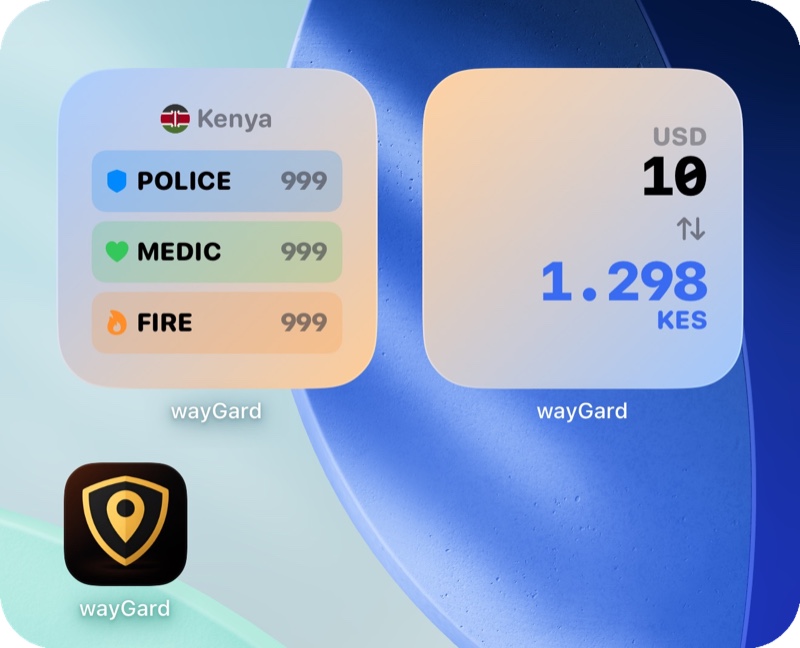
Kenya emergency numbers: 999 (Police), 999 (Ambulance), 999 (Fire Department).

Is Kenya safe for travelers?
Kenya has meaningful regional risk differences. Some border and northern or coastal areas have travel warnings, so country-level safety assumptions can be misleading.
Nairobi, Mombasa, and tourist transit areas can involve robbery, carjacking, bag snatching, or phone theft. Avoid showing valuables and avoid walking alone after dark in unfamiliar areas.
Do not drink tap water. Use bottled or reliably filtered water, and be more cautious with ice, raw food, and casual street-food hygiene than you would in western Europe.
What health risks should travelers know about in Kenya?
Malaria risk exists in many areas outside Nairobi and the highlands, and mosquito protection matters. Dengue and other mosquito-borne illness can also be relevant.
Heat, sun, and dehydration can hit hard, especially if you are doing safari, coast, or daylong transit plans.
What laws should tourists know about in Kenya?
Drug laws are strict and cannabis is illegal.
Carry some form of photo ID or a passport copy, especially during internal travel or police checks.
How is transportation in Kenya?
For city transport, use booked rides rather than random street vehicles when possible. Uber, Bolt, and Little are the mainstream app-based options in Nairobi and some other cities.
Road behavior is more chaotic than in Europe, and crossing the road can be risky because drivers may not yield predictably.
What should travelers know about money in Kenya?
Currency is Kenyan shilling (KES). Cards work in many hotels, malls, and bigger restaurants, but cash is still needed often and mobile payments are part of daily life.
M-Pesa is deeply embedded in local daily life, but many visitors still rely on cash and cards. Use bank ATMs or mall ATMs and be cautious with roadside exchange or help from strangers.
Tipping is common in tourism settings but does not need to be excessive. Small tips are normal for guides, drivers, or hotel help.
What practical info do travelers need for Kenya?
Plug type is G and standard voltage is 240V.
Nairobi can feel very different from safari circuits or beach areas, and security planning should adapt to the specific region, not just the country name.
City Specific Info
Nairobi
Traffic can be heavy and unpredictable. Use booked rides and avoid displaying phones openly while waiting roadside.
Avoid walking alone after dark in unfamiliar areas, even if the distance looks short on the map.
Mombasa
Take extra care with phone snatching, bag theft, and late-night movement in unfamiliar areas.
Which embassies are in Kenya?
Mostly in Nairobi, Mombasa.
 Algeria
 Angola
 Argentina
 Australia
 Austria
 Bangladesh
 Belarus
 Belgium
 Brazil
 Burkina Faso
 Canada
 Chile
Chile
 China
China
 Colombia
 Costa Rica
 Czechia
 Denmark
 Djibouti
 Finland
 France
 Germany
 Ghana
Ghana
 Greece
 Holy See (Vatican City)
 Hungary
 India
India
 Indonesia
 Ireland
 Israel
 Italy
Italy
 Japan
Japan
 Mexico
 Morocco
 Mozambique
 Netherlands
 Norway
 Poland
 Portugal
 Romania
 Russia
 Rwanda
 Saudi Arabia
 Serbia
 Slovakia
 South Africa
 Spain
Spain
 Sweden
 Switzerland
 Tunisia
 Turkey
 Ukraine
 United Arab Emirates
 United Kingdom
 United States
Traveling Nearby?
 Tanzania
 Uganda
 Ethiopia
 Somalia
Frequently Asked Questions
What is the emergency number in Kenya?
In Kenya, you can reach police at 999, ambulance at 999. These numbers work from any phone, including mobile phones without a local SIM card.
Is Kenya safe for tourists?
Kenya has meaningful regional risk differences. Some border and northern or coastal areas have travel warnings, so country-level safety assumptions can be misleading.
What currency is used in Kenya?
Currency is Kenyan shilling (KES). Cards work in many hotels, malls, and bigger restaurants, but cash is still needed often and mobile payments are part of daily life.
What health precautions should I take in Kenya?
Malaria risk exists in many areas outside Nairobi and the highlands, and mosquito protection matters. Dengue and other mosquito-borne illness can also be relevant.
What laws should tourists know about in Kenya?
Drug laws are strict and cannabis is illegal.
Get wayGard for iOS
Get all of Kenya's safety info offline.
