
Vietnam Travel Safety Guide
What are the emergency numbers in Vietnam?
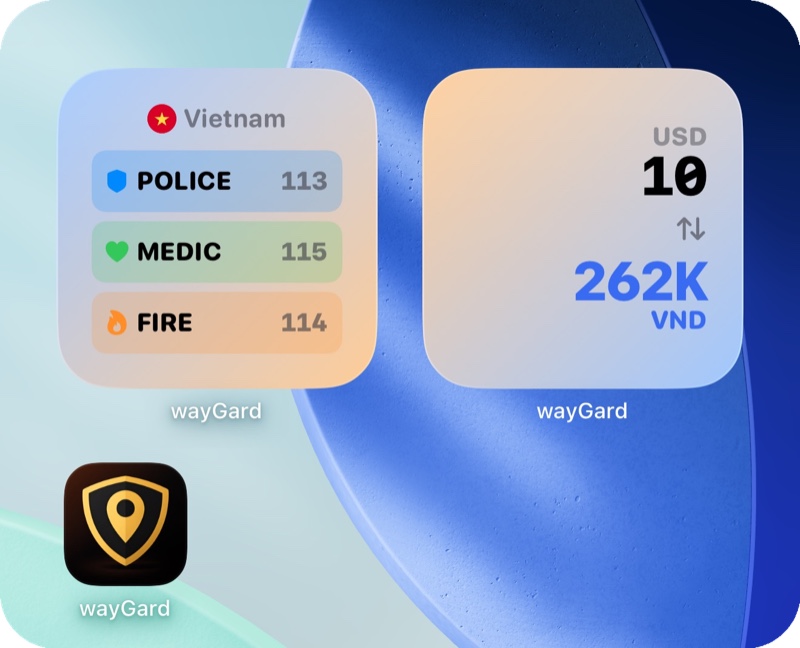
Vietnam emergency numbers: 113 (Police), 115 (Ambulance), 114 (Fire Department).

Is Vietnam safe for travelers?
Petty theft, pickpocketing, and motorbike bag-snatching are regular tourist risks, especially in larger cities and around Tet.
Keep bags on the side away from traffic and do not use your phone loosely by the roadside. Thieves on motorbikes target distracted pedestrians.
Tap water is not a good default for visitors. Drink bottled or reliably filtered water.
Methanol poisoning has happened even from drinks bought in licensed bars, shops, and hotels in tourist areas. Be cautious with cheap spirits and suspiciously strong drinks.
What health risks should travelers know about in Vietnam?
Mosquito-borne diseases including dengue, malaria, Zika, and Japanese encephalitis are relevant depending on region and season.
Air pollution can be a real issue, especially in major cities. If you have asthma or similar conditions, plan around poor air days.
Some medicines are hard to find, and fake medicines exist. Vietnam also restricts some psychotropic and addictive medicines, so bring documentation.
What laws should tourists know about in Vietnam?
You must always carry photographic ID. A printed copy of your passport photo page and visa is generally accepted.
Drug laws are extremely harsh. Cannabis is not a casual gray area here. Possession, use, or traces found in testing can lead to criminal charges, and the most serious cases can lead to the death penalty.
Vapes are banned. You cannot legally buy them in Vietnam or bring them into the country.
Political dissent and protests are not treated casually. Avoid protests and do not assume online privacy.
Do not hand over your passport as a deposit to a landlord or motorbike rental shop.
How is transportation in Vietnam?
Grab and Xanh SM are the safest mainstream app choices for many urban trips. Do not trust random people claiming to be your booked driver unless the app matches.
Unlicensed taxi drivers are linked to scams and assaults in tourist areas. Airport and station transfer offers can also be scams.
Crossing the road can feel hostile if you are used to fully respected pedestrian crossings. Traffic often flows around you rather than stopping cleanly, so abrupt movement is risky.
What should travelers know about money in Vietnam?
Currency is Vietnamese dong (VND). Cash is still very normal for daily life, though cards are common in nicer hotels, malls, and more tourist-oriented businesses.
Only change money at official exchange counters. Changing money elsewhere is illegal and you can lose your cash.
Tipping is not deeply embedded. It is appreciated in tourism settings but not expected everywhere.
What practical info do travelers need for Vietnam?
Plug types are A, C, and F. Voltage is commonly 220V.
Hanoi, Ho Chi Minh City, beach towns, and mountain areas feel very different. Do not assume one set of habits fits the whole country.
City Specific Info
Ho Chi Minh City
Street crossings are stressful for first-time visitors. Move steadily and predictably rather than darting or stepping back suddenly.
Hanoi
Petty theft and transport scams are concentrated around tourist-heavy districts and transport hubs, especially late at night.
Which embassies are in Vietnam?
Mostly in Hanoi, Ho Chi Minh City, Da Nang.
 Algeria
 Angola
 Argentina
 Australia
 Austria
 Bangladesh
 Belarus
 Belgium
 Brazil
 Bulgaria
 Canada
 Chile
Chile
 China
China
 Colombia
 Cuba
Cuba
 Czechia
 Denmark
 Finland
 France
 Germany
 Greece
 Hungary
 India
India
 Indonesia
 Ireland
 Israel
 Italy
Italy
 Japan
Japan
 Malaysia
 Mexico
 Morocco
 Mozambique
 Netherlands
 New Zealand
 North Korea
 Norway
 Palestine
 Panama
 Peru
Peru
 Philippines
 Poland
 Romania
 Russia
 Saudi Arabia
 Singapore
 Slovakia
 South Africa
 South Korea
 Spain
Spain
 Sweden
 Switzerland
 Taiwan
 Turkey
 Ukraine
 United Arab Emirates
 United Kingdom
 United States
 Uruguay
Traveling Nearby?
 Thailand
 Cambodia
 Laos
Laos
Related Articles
Frequently Asked Questions
What is the emergency number in Vietnam?
In Vietnam, you can reach police at 113, ambulance at 115, fire services at 114. These numbers work from any phone, including mobile phones without a local SIM card.
Is Vietnam safe for tourists?
Petty theft, pickpocketing, and motorbike bag-snatching are regular tourist risks, especially in larger cities and around Tet.
What currency is used in Vietnam?
Currency is Vietnamese dong (VND). Cash is still very normal for daily life, though cards are common in nicer hotels, malls, and more tourist-oriented businesses.
What health precautions should I take in Vietnam?
Mosquito-borne diseases including dengue, malaria, Zika, and Japanese encephalitis are relevant depending on region and season.
What laws should tourists know about in Vietnam?
You must always carry photographic ID. A printed copy of your passport photo page and visa is generally accepted.
Get wayGard for iOS
Get all of Vietnam's safety info offline.
