
Turkey Travel Safety Guide
What are the emergency numbers in Turkey?
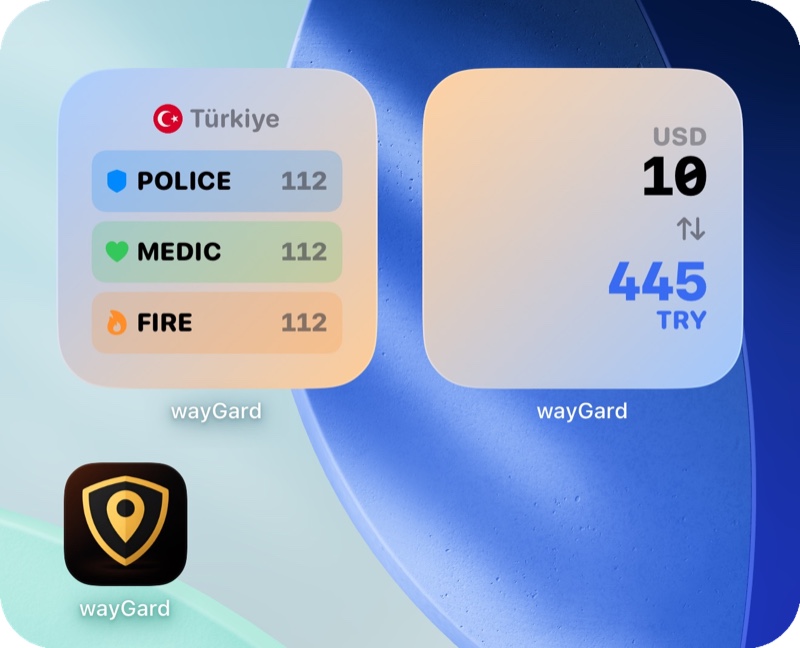
Turkey emergency numbers: 112 (Police), 112 (Ambulance), 112 (Fire Department).

Is Turkey safe for travelers?
Street robbery and pickpocketing are common in major tourist areas of Istanbul.
Avoid demonstrations and crowds in Istanbul and other cities. They can turn violent and the police response can include tear gas and water cannons.
Southeast Turkey and border-adjacent areas need much more caution than Istanbul resort travel. Risk is not uniform across the country.
Counterfeit alcohol and methanol poisoning are serious enough to change behavior. Avoid suspiciously cheap spirits and unsealed bottles.
What health risks should travelers know about in Turkey?
Counterfeit alcohol is a real health risk, especially in nightlife and tourist areas.
Summer heat can be intense in inland and southern areas. Pollution can also be a factor in major cities.
What laws should tourists know about in Turkey?
It is illegal not to carry photo ID. Carry your passport or residence permit and expect ID checks, especially in busy areas and on main roads.
Drug penalties are severe, including for cannabis.
Respect Ramadan norms in conservative areas and do not eat, drink, smoke, or swear in public during fasting hours where this would clearly offend.
Be conservative with photos around military, police, border, and other sensitive sites.
How is transportation in Turkey?
Use registered taxis, app-booked rides, or pre-booked transfers. Unofficial taxis are a real risk. BiTaksi is a trusted mainstream taxi app.
Road behavior can be assertive and crossing the road often needs more caution than in much of Europe. Do not assume drivers will stop early for pedestrians.
Local transport and roads can be disrupted by protests or security events in big cities.
What should travelers know about money in Turkey?
Currency is Turkish lira (TRY). Cards are common in cities and tourist zones, but cash still matters for smaller shops, local eateries, markets, and some transport.
Be careful with money exchange and cash handling. Due to counterfeit concerns, some banks and exchanges may refuse 50 or 100 US dollar bills.
Do not follow strangers who offer to change money or take you to a bar or restaurant. Tourist-area scams still happen.
Tipping exists but is moderate. Small tips are common in restaurants and for hotel help, but huge tips are not expected.
What practical info do travelers need for Turkey?
Plug types are C and F, 230V.
Access to some eSIM services is restricted in Turkey, so do not assume every international eSIM will work normally.
Istanbul, the Aegean coast, and southeast border regions can feel like very different travel environments.
City Specific Info
Istanbul
Istanbul has the highest mix of tourist scams, pickpocketing, protests, and transport disruption. Use booked transport at night and stay alert in major tourist districts.
Southeast Turkey
Security conditions are materially different from western Turkey. Check the latest regional advice before planning overland travel in the southeast.
Which embassies are in Turkey?
Mostly in Ankara, Istanbul, Beyoğlu.
 Afghanistan
 Albania
 Algeria
 Angola
 Argentina
 Australia
 Austria
 Azerbaijan
 Bahrain
 Bangladesh
 Belarus
 Belgium
 Bosnia and Herzegovina
 Brazil
 Brunei
 Bulgaria
 Burkina Faso
 Burundi
 Cambodia
 Cameroon
 Canada
 Chad
Chad
 Chile
Chile
 China
China
 Colombia
 Congo, Democratic Republic of the
 Costa Rica
 Côte d’Ivoire
 Croatia
 Cuba
Cuba
 Czechia
 Denmark
 Djibouti
 Ecuador
 Egypt
Egypt
 El Salvador
 Equatorial Guinea
 Estonia
 Ethiopia
 Finland
 France
 Gabon
Gabon
 Gambia
 Georgia
 Germany
 Ghana
Ghana
 Greece
 Guatemala
 Guinea
 Guinea-Bissau
 Holy See (Vatican City)
 Hungary
 India
India
 Indonesia
 Iran
Iran
 Iraq
Iraq
 Ireland
 Israel
 Italy
Italy
 Japan
Japan
 Jordan
 Kazakhstan
 Kenya
Kenya
 Kuwait
 Kyrgyzstan
 Latvia
 Lebanon
 Libya
Libya
 Lithuania
 Luxembourg
 Malaysia
 Mali
Mali
 Malta
Malta
 Mauritania
 Mexico
 Moldova, Republic of
 Mongolia
 Montenegro
 Morocco
 Netherlands
 New Zealand
 Niger
Niger
 Nigeria
 North Macedonia
 Norway
 Oman
Oman
 Pakistan
 Palestine
 Panama
 Paraguay
 Peru
Peru
 Philippines
 Poland
 Portugal
 Qatar
Qatar
 Republic of the Congo
 Romania
 Russia
 Rwanda
 Saudi Arabia
 Senegal
 Serbia
 Sierra Leone
 Singapore
 Slovakia
 Slovenia
 Somalia
 South Africa
 South Korea
 South Sudan
 Spain
Spain
 Sri Lanka
 Sudan
Sudan
 Sweden
 Switzerland
 Taiwan
 Tajikistan
 Tanzania
 Thailand
 Tunisia
 Turkmenistan
 Ukraine
 United Arab Emirates
 United Kingdom
 United States
 Uzbekistan
 Venezuela
 Vietnam
 Yemen
Yemen
 Zambia
 Zimbabwe
Traveling Nearby?
Related Articles


Frequently Asked Questions
What is the emergency number in Turkey?
In Turkey, you can reach police at 112, ambulance at 112. These numbers work from any phone, including mobile phones without a local SIM card.
Is Turkey safe for tourists?
Street robbery and pickpocketing are common in major tourist areas of Istanbul.
What currency is used in Turkey?
Currency is Turkish lira (TRY). Cards are common in cities and tourist zones, but cash still matters for smaller shops, local eateries, markets, and some transport.
What health precautions should I take in Turkey?
Counterfeit alcohol is a real health risk, especially in nightlife and tourist areas.
What laws should tourists know about in Turkey?
It is illegal not to carry photo ID. Carry your passport or residence permit and expect ID checks, especially in busy areas and on main roads.
Get wayGard for iOS
Get all of Turkey's safety info offline.
