
Peru Travel Safety Guide
What are the emergency numbers in Peru?
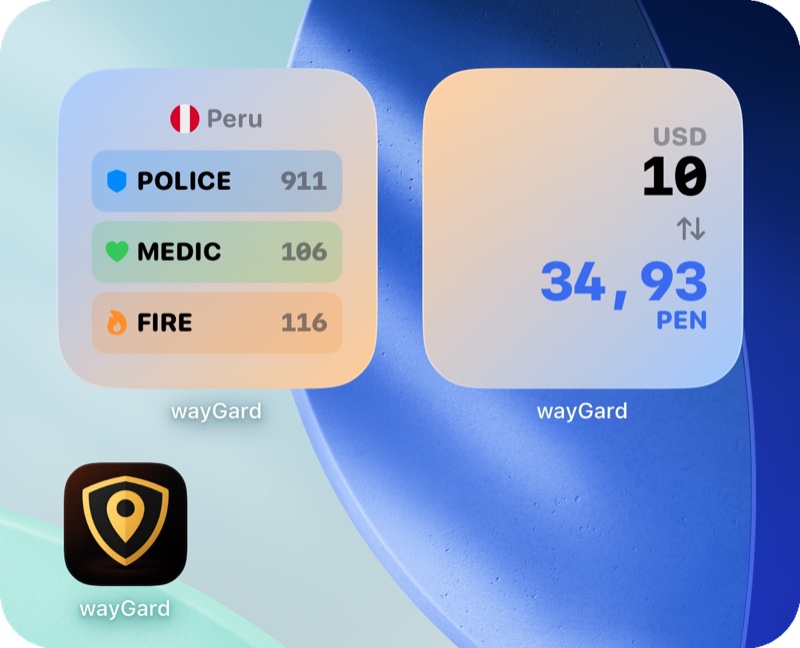
Peru emergency numbers: 911 (Police), 106 (Ambulance), 116 (Fire Department).

Is Peru safe for travelers?
Protests are unpredictable and can become violent. Foreigners can face detention or deportation for joining political demonstrations.
Some border areas and drug-production zones carry higher organized-crime risk than the classic tourist circuit.
Street theft is a practical concern in major cities and transport hubs, especially when travelers look distracted or overloaded.
What health risks should travelers know about in Peru?
Do not drink tap water in Peru unless you have a very specific local reason to trust it. Bottled or properly filtered water is the safer default.
Altitude is one of the most important Peru-specific health risks for visitors going to Cusco and the Andes.
Mosquito protection matters in jungle and warmer lowland areas. Sun exposure is also stronger than many visitors expect at altitude.
What laws should tourists know about in Peru?
Drug use and trafficking carry lengthy jail sentences. Do not carry anything through customs for anyone else.
Do not photograph military sites. It is illegal and can lead to prison time.
How is transportation in Peru?
Use booked taxis or ride apps in major cities rather than unvetted street pickups.
Political protests and roadblocks can suspend trains, delay flights, shut roads, and disrupt access to places like Cusco and Machu Picchu with little notice.
Road safety standards vary and pedestrian priority is not always strongly respected.
What should travelers know about money in Peru?
Currency is Peruvian sol (PEN). Cards are common in larger city businesses, but cash remains important for smaller shops, markets, local transport, and many tourist transfers.
Use bank ATMs in safer, busier locations and avoid informal money exchange. Taxi and airport pricing confusion is common enough that booked rides are safer.
Use app-booked or hotel-arranged rides rather than random street taxis, especially in Lima.
Tipping is moderate and not as automatic as in the US. Small restaurant tips are normal but not compulsory everywhere.
What practical info do travelers need for Peru?
Plug types are A and C, usually 220V.
Lima, Cusco, and the Amazon are very different travel environments. What is safe and practical in one is not automatically true in the others.
City Specific Info
Lima
Protests often affect the historic centre first, and airport or central-city transfer times can change sharply with little notice.
Cusco
Altitude and protest-related transport disruption are the two things most likely to wreck a first trip if you underestimate them.
Which embassies are in Peru?
Mostly in San Isidro, Lima, Miraflores.
 Algeria
 Argentina
 Australia
 Austria
 Azerbaijan
 Belgium
 Bolivia
 Brazil
 Canada
 Chile
Chile
 China
China
 Colombia
 Costa Rica
 Cuba
Cuba
 Czechia
 Denmark
 Dominican Republic
 Ecuador
 Egypt
Egypt
 El Salvador
 Finland
 France
 Germany
 Greece
 Guatemala
 Guyana
 Holy See (Vatican City)
 Honduras
 Hungary
 India
India
 Indonesia
 Israel
 Italy
Italy
 Japan
Japan
 Malaysia
 Mexico
 Morocco
 Namibia
 Netherlands
 Nicaragua
 Palestine
 Paraguay
 Poland
 Portugal
 Qatar
Qatar
 Romania
 Russia
 Saudi Arabia
 South Africa
 South Korea
 Spain
Spain
 Sweden
 Switzerland
 Taiwan
 Thailand
 Trinidad and Tobago
 Turkey
 Ukraine
 United Arab Emirates
 United Kingdom
 United States
 Uruguay
 Venezuela
Traveling Nearby?
Related Articles
Frequently Asked Questions
What is the emergency number in Peru?
In Peru, you can reach police at 911, ambulance at 106, fire services at 116. These numbers work from any phone, including mobile phones without a local SIM card.
Is Peru safe for tourists?
Protests are unpredictable and can become violent. Foreigners can face detention or deportation for joining political demonstrations.
What currency is used in Peru?
Currency is Peruvian sol (PEN). Cards are common in larger city businesses, but cash remains important for smaller shops, markets, local transport, and many tourist transfers.
What health precautions should I take in Peru?
Do not drink tap water in Peru unless you have a very specific local reason to trust it. Bottled or properly filtered water is the safer default.
What laws should tourists know about in Peru?
Drug use and trafficking carry lengthy jail sentences. Do not carry anything through customs for anyone else.
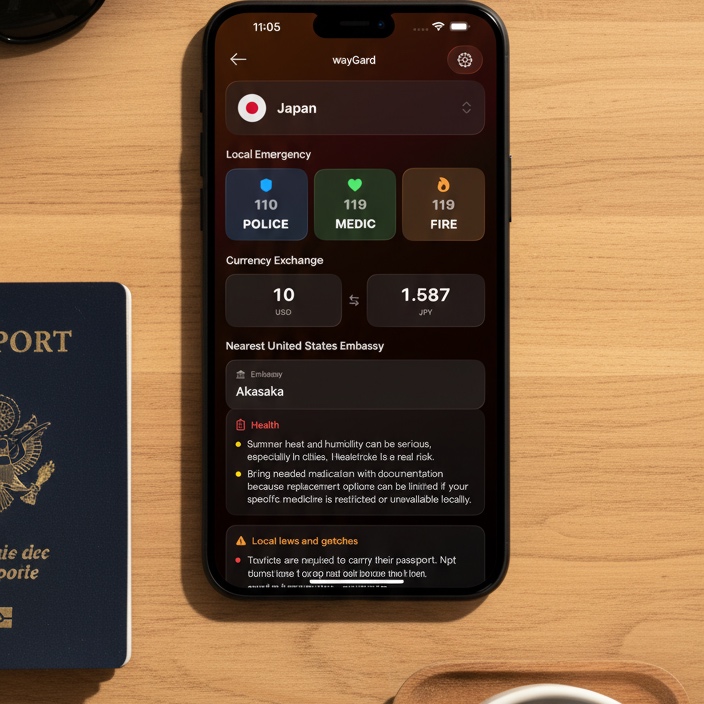
Get wayGard for iOS
Get all of Peru's safety info offline.
