
India Travel Safety Guide
What are the emergency numbers in India?
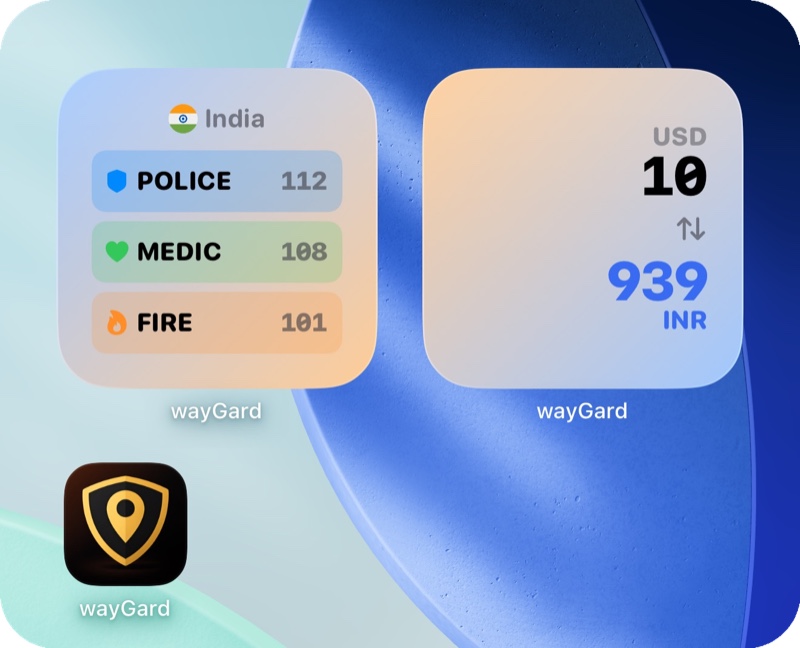
India emergency numbers: 112 (Police), 108 (Ambulance), 101 (Fire Department).

Is India safe for travelers?
Tourist scams, pickpocketing, touts, and motorbike bag snatching are common in busy transport and sightseeing areas.
Some regions have specific security warnings, and women should take extra care with late-night transport and unfamiliar social situations.
Tap water is not a safe drinking default for visitors. Use sealed bottled water or reliable filtration.
Food hygiene can vary sharply. Busy places with high turnover are usually safer than empty or visibly unhygienic outlets.
What health risks should travelers know about in India?
Mosquito-borne disease, heat stress, air pollution, and stomach illness are bigger practical risks than dramatic crime for many travelers.
Medicine availability is broad in major cities, but quality varies by pharmacy and counterfeit or inappropriate substitutes are possible.
What laws should tourists know about in India?
Drug laws are strict and cannabis is not something visitors should treat casually just because related products appear in some places.
Photography can be restricted in military, border, airport, and some religious or government areas.
Carry ID. Hotels and authorities may ask for passport details, and administrative checks are common.
How is transportation in India?
Use app-booked transport instead of random street negotiations when possible. Uber and Ola are the most practical mainstream ride apps in many cities.
Public transport quality varies wildly by city. Metro systems can be excellent in some places, while buses, stations, and trains can be chaotic and crowded.
Traffic is aggressive by most Western standards. Do not assume lanes, pedestrian priority, or right-of-way rules will be followed cleanly.
What should travelers know about money in India?
Currency is Indian rupee (INR). Cards work in many hotels, malls, and established restaurants, but cash and UPI still dominate much of daily life.
ATM and taxi scams are common enough to matter. Use bank ATMs, decline unsolicited help, and avoid currency exchange setups that feel improvised.
Tipping is common in tourism and hospitality, but usually moderate rather than huge. Service charges may already be added.
What practical info do travelers need for India?
Plug types are C, D, and M. Voltage is 230V.
Useful apps often include Uber, Ola, Google Maps, WhatsApp, Swiggy, Zomato, and UPI-linked payment tools where available to you.
India is more like a continent than a single travel experience. Mumbai, Delhi, Goa, Kerala, and the Himalayas behave very differently.
City Specific Info
Delhi
Air pollution can be severe enough to affect healthy travelers, especially in cooler months.
Goa
Tourist party zones bring more drink-spiking, scooter crash, and late-night transport risk than the country average.
Which embassies are in India?
Mostly in New Delhi, Chennai, Mumbai.
 Algeria
 Angola
 Argentina
 Armenia
 Australia
 Austria
 Azerbaijan
 Bahrain
 Bangladesh
 Belarus
 Belgium
 Bhutan
 Bolivia
 Bosnia and Herzegovina
 Botswana
 Brazil
 Brunei
 Bulgaria
 Burkina Faso
 Burundi
 Cambodia
 Canada
 Chad
Chad
 Chile
Chile
 China
China
 Colombia
 Congo, Democratic Republic of the
 Costa Rica
 Côte d’Ivoire
 Croatia
 Cuba
Cuba
 Cyprus
 Czechia
 Denmark
 Djibouti
 Dominican Republic
 Ecuador
 Egypt
Egypt
 El Salvador
 Equatorial Guinea
 Eritrea
 Estonia
 Ethiopia
 Fiji
Fiji
 Finland
 France
 Gabon
Gabon
 Gambia
 Georgia
 Germany
 Ghana
Ghana
 Greece
 Guatemala
 Guinea
 Guyana
 Holy See (Vatican City)
 Hungary
 Iceland
 Indonesia
 Iran
Iran
 Iraq
Iraq
 Ireland
 Israel
 Italy
Italy
 Jamaica
 Japan
Japan
 Jordan
 Kazakhstan
 Kenya
Kenya
 Kuwait
 Kyrgyzstan
 Laos
Laos
 Latvia
 Lebanon
 Lesotho
 Libya
Libya
 Lithuania
 Luxembourg
 Madagascar
 Malawi
 Malaysia
 Maldives
 Mali
Mali
 Malta
Malta
 Mauritius
 Mexico
 Mongolia
 Morocco
 Mozambique
 Myanmar
 Namibia
 Nepal
Nepal
 Netherlands
 New Zealand
 Niger
Niger
 Nigeria
 North Korea
 North Macedonia
 Norway
 Oman
Oman
 Pakistan
 Palestine
 Panama
 Papua New Guinea
 Paraguay
 Peru
Peru
 Philippines
 Poland
 Portugal
 Qatar
Qatar
 Republic of the Congo
 Romania
 Russia
 Rwanda
 Saudi Arabia
 Senegal
 Serbia
 Seychelles
 Singapore
 Slovakia
 Slovenia
 Somalia
 South Africa
 South Korea
 South Sudan
 Spain
Spain
 Sri Lanka
 Sudan
Sudan
 Suriname
 Sweden
 Switzerland
 Syrian Arab Republic
 Taiwan
 Tajikistan
 Tanzania
 Thailand
 Togo
Togo
 Trinidad and Tobago
 Tunisia
 Turkey
 Turkmenistan
 Uganda
 Ukraine
 United Arab Emirates
 United Kingdom
 United States
 Uruguay
 Uzbekistan
 Venezuela
 Vietnam
 Yemen
Yemen
 Zambia
 Zimbabwe
Traveling Nearby?
Related Articles
Frequently Asked Questions
What is the emergency number in India?
In India, you can reach police at 112, ambulance at 108, fire services at 101. These numbers work from any phone, including mobile phones without a local SIM card.
Is India safe for tourists?
Tourist scams, pickpocketing, touts, and motorbike bag snatching are common in busy transport and sightseeing areas.
What currency is used in India?
Currency is Indian rupee (INR). Cards work in many hotels, malls, and established restaurants, but cash and UPI still dominate much of daily life.
What health precautions should I take in India?
Mosquito-borne disease, heat stress, air pollution, and stomach illness are bigger practical risks than dramatic crime for many travelers.
What laws should tourists know about in India?
Drug laws are strict and cannabis is not something visitors should treat casually just because related products appear in some places.
Get wayGard for iOS
Get all of India's safety info offline.
