
Ecuador Travel Safety Guide
What are the emergency numbers in Ecuador?
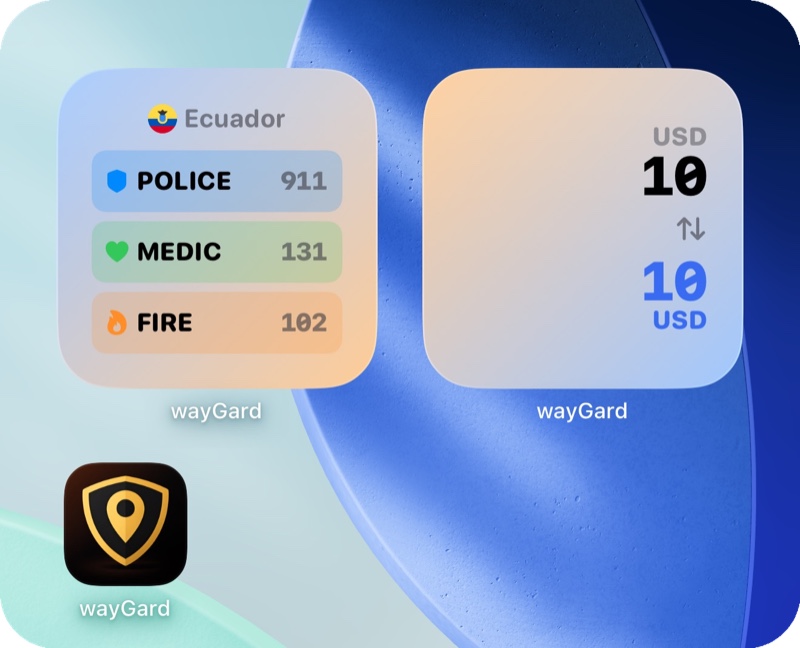
Ecuador emergency numbers: 911 (Police), 131 (Ambulance), 102 (Fire Department).

Is Ecuador safe for travelers?
Armed robbery is a risk throughout Ecuador. Be more cautious than you would normally be in a typical tourist city.
There is a nationwide State of Emergency context, with possible military presence, extra security checks, protests, and sudden disruptions.
Tap water is not the safest default for visitors. Bottled or reliably filtered water is the better assumption.
What health risks should travelers know about in Ecuador?
Earthquake risk is high across Ecuador, and landslides can block roads after earthquakes or heavy rain.
Altitude can hit hard in Quito and the Andes. Jungle and Amazon areas also bring stronger mosquito and distance-from-hospital issues.
What laws should tourists know about in Ecuador?
By law you must carry ID. A printed copy of your passport including the entry-stamp page is the practical minimum.
Drug penalties are harsh and prison conditions are very basic.
How is transportation in Ecuador?
Avoid road travel after dark where possible. Robbery and pickpocketing are reported on interstate buses and at bus stations, including routes used by tourists.
If you travel near the Colombia border or in remote jungle areas, use a reputable official guide and daylight travel only.
What should travelers know about money in Ecuador?
Be extremely careful at ATMs. Express kidnapping and robbery linked to cash withdrawals are a real risk in higher-risk areas.
Cards work in major tourist businesses, but cash is still normal in smaller towns, local transport, and some markets.
What practical info do travelers need for Ecuador?
Plug types are A and B. Voltage is 120V.
Quito, the Galapagos, Cuenca, the coast, and Amazon areas have very different risk profiles. Do not treat Ecuador as one uniform travel experience.
City Specific Info
Guayaquil
Guayaquil is far riskier than the Galapagos or Quito tourist core. If you are only transiting to the Galapagos, staying airside is the safer plan.
Quito
Crowded historic and transit areas need more theft awareness than many visitors expect. Altitude can also affect you quickly on arrival.
Galapagos
The islands are much calmer than mainland high-risk provinces, but transport disruptions via Guayaquil can still affect the trip.
Which embassies are in Ecuador?
Mostly in Quito, Guayaquil.
 Algeria
 Argentina
 Australia
 Bolivia
 Brazil
 Canada
 Chile
Chile
 China
China
 Colombia
 Costa Rica
 Cuba
Cuba
 Dominican Republic
 Egypt
Egypt
 El Salvador
 France
 Germany
 Guatemala
 Haiti
Haiti
 Holy See (Vatican City)
 Honduras
 Hungary
 Indonesia
 Iran
Iran
 Israel
 Italy
Italy
 Japan
Japan
 Lebanon
 Mexico
 Nicaragua
 Palestine
 Panama
 Paraguay
 Peru
Peru
 Qatar
Qatar
 Russia
 South Korea
 Spain
Spain
 Switzerland
 Taiwan
 Turkey
 United Kingdom
 United States
 Uruguay
 Venezuela
Traveling Nearby?
Frequently Asked Questions
What is the emergency number in Ecuador?
In Ecuador, you can reach police at 911, ambulance at 131, fire services at 102. These numbers work from any phone, including mobile phones without a local SIM card.
Is Ecuador safe for tourists?
Armed robbery is a risk throughout Ecuador. Be more cautious than you would normally be in a typical tourist city.
What currency is used in Ecuador?
Be extremely careful at ATMs. Express kidnapping and robbery linked to cash withdrawals are a real risk in higher-risk areas.
What health precautions should I take in Ecuador?
Earthquake risk is high across Ecuador, and landslides can block roads after earthquakes or heavy rain.
What laws should tourists know about in Ecuador?
By law you must carry ID. A printed copy of your passport including the entry-stamp page is the practical minimum.
Get wayGard for iOS
Get all of Ecuador's safety info offline.
