
Croatia Travel Safety Guide
What are the emergency numbers in Croatia?
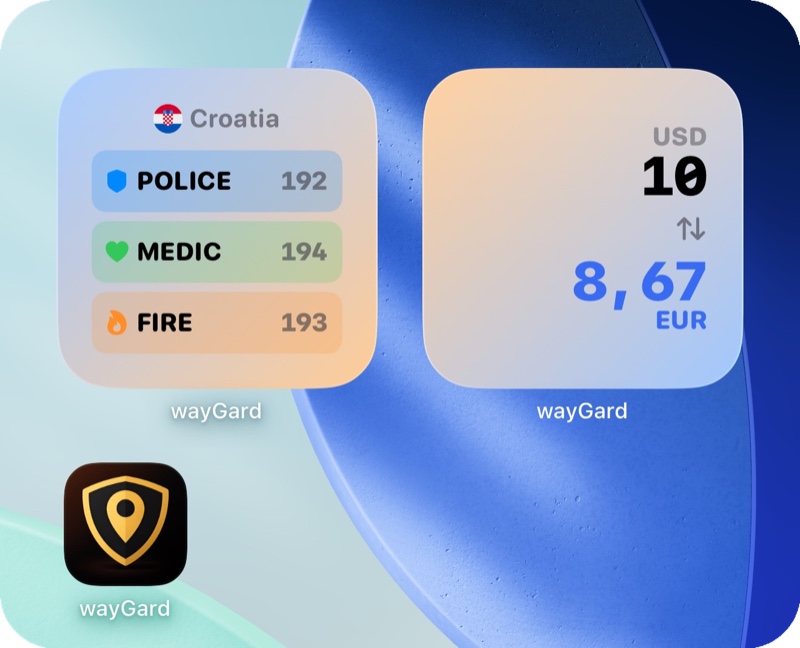
Croatia emergency numbers: 192 (Police), 194 (Ambulance), 193 (Fire Department).

Is Croatia safe for travelers?
Croatia is generally low-crime, but pickpockets do work tourist areas and nightlife districts.
Avoid so-called gentlemen's clubs and similar venues targeting tourists. Some visitors have been hit with extreme overcharging and threats.
Tap water is generally safe across the country, though private wells in rural areas are a different story.
Outside normal tourist routes, especially in some formerly war-affected rural areas, do not leave marked paths because unexploded mines still exist in some regions.
What health risks should travelers know about in Croatia?
No dramatic tropical risk profile, but biting insects and ticks are relevant if you hike or spend time in rural areas.
Summer heat, wildfire smoke, and rocky coastlines can be the bigger practical health risks for visitors than infectious disease.
What laws should tourists know about in Croatia?
Carry your passport or at least have it immediately accessible. Police can require ID checks.
Tourist centers like Split and Dubrovnik can fine people on the spot for public drinking, sleeping outside, urinating, vomiting, walking shirtless, or wearing swimwear away from the beach.
Cannabis can still create legal trouble. Personal possession may lead to fines, and trafficking or serious drug offenses carry heavy penalties.
Outdoor fires and barbecues are restricted in wildfire season and causing a fire, even unintentionally, can lead to serious fines.
How is transportation in Croatia?
Uber and Bolt are normal and trusted in the main tourist cities. They are usually a better default than taking a random street taxi in busy tourist zones.
There have been taxi-related assaults and overcharging cases. Use the app, share your trip, and avoid unmarked or opportunistic taxi pickups.
If driving, watch local rules like winter tire timing, headlight requirements, and the lower drink-driving limit compared with some countries.
What should travelers know about money in Croatia?
Currency is euro (EUR). Cards and ATMs are common and generally easy to use in cities and tourist areas.
Watch for card or ATM fraud and avoid standalone machines in obviously touristy spots if a bank ATM is nearby.
Tipping is modest. Rounding up or leaving around 5% to 10% for good service is enough; large tips are not expected.
What practical info do travelers need for Croatia?
Plug types are C and F. Voltage is 230V.
Coastal tourist cities in summer behave very differently from inland Croatia. Prices, crowds, and taxi issues are more intense on the coast.
City Specific Info
Split
Old Town rules are enforced more actively in summer. Public disorder, street drinking, and walking shirtless can get fined fast.
Dubrovnik
Crowds and prices are at the high end. Use booked rides and avoid assuming every taxi around the tourist core is a good deal.
Which embassies are in Croatia?
Mostly in Zagreb, Donji grad, Split.
 Albania
 Algeria
 Australia
 Austria
 Azerbaijan
 Belgium
 Bosnia and Herzegovina
 Brazil
 Bulgaria
 Canada
 Chile
Chile
 China
China
 Czechia
 Denmark
 Egypt
Egypt
 Finland
 France
 Germany
 Greece
 Holy See (Vatican City)
 Hungary
 India
India
 Indonesia
 Iran
Iran
 Iraq
Iraq
 Ireland
 Israel
 Italy
Italy
 Japan
Japan
 Kazakhstan
 Libya
Libya
 Lithuania
 Malaysia
 Montenegro
 Morocco
 Netherlands
 North Macedonia
 Norway
 Poland
 Portugal
 Qatar
Qatar
 Romania
 Russia
 Serbia
 Slovakia
 Slovenia
 South Korea
 Spain
Spain
 Sweden
 Switzerland
 Turkey
 Ukraine
 United Kingdom
 United States
Traveling Nearby?
Related Articles
Frequently Asked Questions
What is the emergency number in Croatia?
In Croatia, you can reach police at 192, ambulance at 194, fire services at 193. These numbers work from any phone, including mobile phones without a local SIM card.
Is Croatia safe for tourists?
Croatia is generally low-crime, but pickpockets do work tourist areas and nightlife districts.
What currency is used in Croatia?
Currency is euro (EUR). Cards and ATMs are common and generally easy to use in cities and tourist areas.
What health precautions should I take in Croatia?
No dramatic tropical risk profile, but biting insects and ticks are relevant if you hike or spend time in rural areas.
What laws should tourists know about in Croatia?
Carry your passport or at least have it immediately accessible. Police can require ID checks.
Get wayGard for iOS
Get all of Croatia's safety info offline.
