
Gambia Travel Safety Guide
What are the emergency numbers in Gambia?
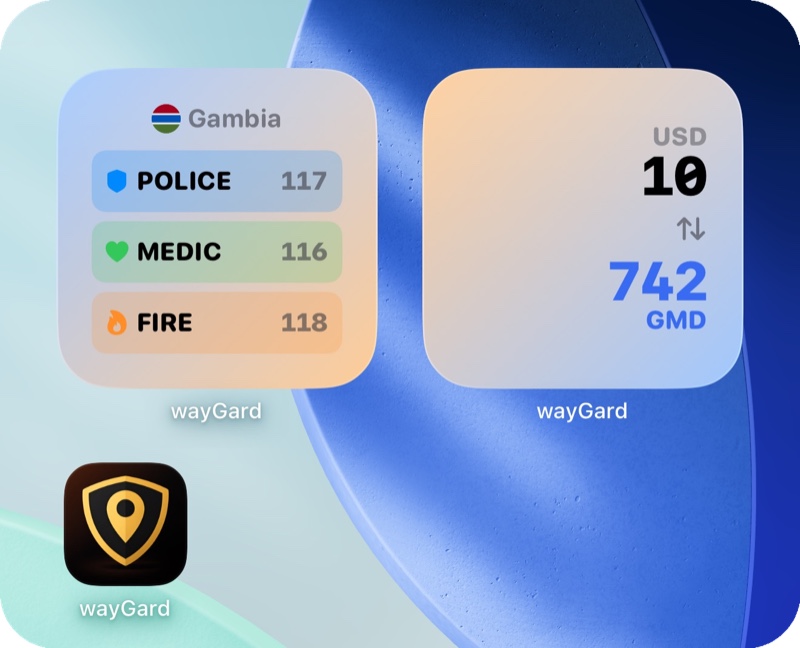
Gambia emergency numbers: 117 (Police), 116 (Ambulance), 118 (Fire Department).

Is Gambia safe for travelers?
Petty theft, bag snatching, and opportunistic crime happen, especially in tourist areas and on beaches. Keep valuables secure and avoid isolated places at night.
Persistent harassment from beach hustlers is common in tourist areas. It is usually more tiring than dangerous, but firm boundaries matter.
What health risks should travelers know about in Gambia?
Heat, dehydration, mosquitoes, and stomach issues are more realistic risks than exotic emergencies for most visitors.
How is transportation in Gambia?
Road safety and vehicle quality are bigger routine issues than sophisticated scams. Avoid unnecessary road travel after dark if you can.
Use known taxis rather than improvising late at night. Beach-area and resort transport feels easy until something goes wrong.
What should travelers know about money in Gambia?
Currency is Gambian dalasi (GMD). Cash is still important outside better hotels and restaurants, and card acceptance is limited compared with more developed tourist markets.
What practical info do travelers need for Gambia?
The Senegambia and main tourism strip are much easier than inland areas. Do not assume the whole country works like the beach hotel zone.
Which embassies are in Gambia?
Mostly in Banjul, Kanifing, Greater Banjul Area.
 Algeria
 China
China
 Germany
 Holy See (Vatican City)
 Senegal
 South Africa
 Turkey
 United Kingdom
 United States
Frequently Asked Questions
What is the emergency number in Gambia?
In Gambia, you can reach police at 117, ambulance at 116, fire services at 118. These numbers work from any phone, including mobile phones without a local SIM card.
Is Gambia safe for tourists?
Petty theft, bag snatching, and opportunistic crime happen, especially in tourist areas and on beaches. Keep valuables secure and avoid isolated places at night.
What currency is used in Gambia?
Currency is Gambian dalasi (GMD). Cash is still important outside better hotels and restaurants, and card acceptance is limited compared with more developed tourist markets.
What health precautions should I take in Gambia?
Heat, dehydration, mosquitoes, and stomach issues are more realistic risks than exotic emergencies for most visitors.
Get wayGard for iOS
Get all of Gambia's safety info offline.
