
Guinea-Bissau Travel Safety Guide
What are the emergency numbers in Guinea-Bissau?
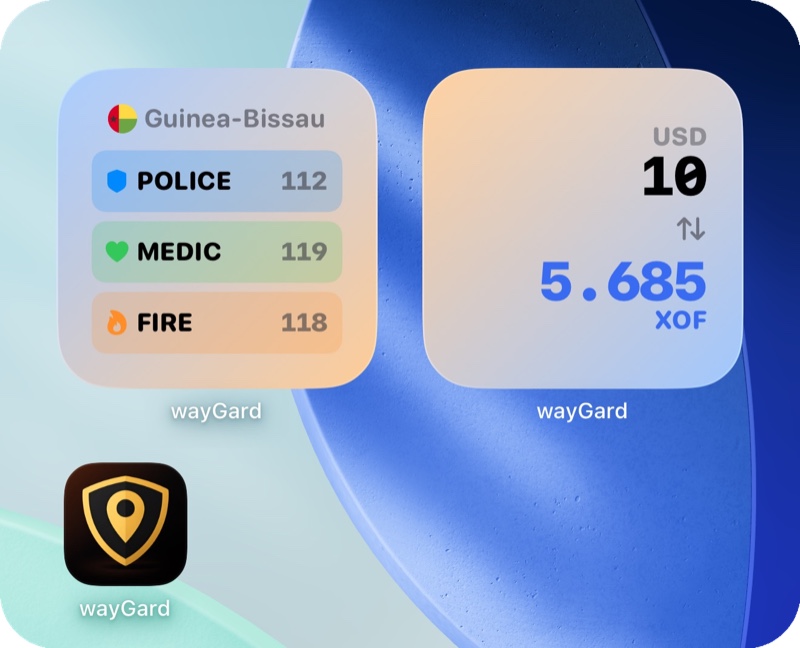
Guinea-Bissau emergency numbers: 112 (Police), 119 (Ambulance), 118 (Fire Department).

Is Guinea-Bissau safe for travelers?
Political instability can disrupt travel with little warning. Keep plans flexible and avoid government buildings, protests, and large gatherings.
Crime risk rises after dark in Bissau. Avoid isolated walking at night and use known drivers arranged by your hotel or host.
What health risks should travelers know about in Guinea-Bissau?
A yellow fever certificate is required for entry, and malaria risk is significant. Use mosquito protection every day, not just at night.
Tap water is not a safe default. Food hygiene needs extra caution outside established hotels or restaurants.
How is transportation in Guinea-Bissau?
Road conditions and medical response can be poor outside the capital. Overland travel after dark is a bad idea.
Cash is still far more reliable than cards. Do not assume ATMs or card terminals will work consistently.
Which embassies are in Guinea-Bissau?
Mostly in Bissau.
 Brazil
 Cabo Verde
 China
China
 France
 Guinea
 Holy See (Vatican City)
 Portugal
 Russia
 South Africa
 Spain
Spain
Frequently Asked Questions
What is the emergency number in Guinea-Bissau?
In Guinea-Bissau, you can reach police at 112, ambulance at 119, fire services at 118. These numbers work from any phone, including mobile phones without a local SIM card.
Is Guinea-Bissau safe for tourists?
Political instability can disrupt travel with little warning. Keep plans flexible and avoid government buildings, protests, and large gatherings.
What health precautions should I take in Guinea-Bissau?
A yellow fever certificate is required for entry, and malaria risk is significant. Use mosquito protection every day, not just at night.
Get wayGard for iOS
Get all of Guinea-Bissau's safety info offline.
